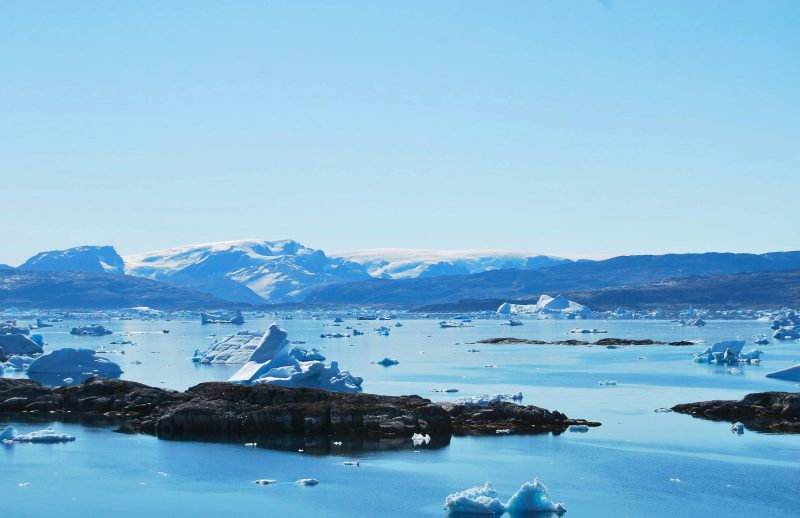
In 2024, for the first time, the global average temperature exceeded 1.5°C above pre-industrial levels, triggering a surge in extreme weather events such as record rainfall and flooding in the Sahara Desert, as well as intense summer heatwaves worldwide. Projections indicate that global warming will continue to surpass this threshold. Based on current national commitments to limit greenhouse gas emissions, the global average temperature is expected to rise by 2.7°C above pre-industrial levels by the end of the century. This degree of warming is anticipated to profoundly alter the Arctic, the fastest-warming region on Earth.
A recent review published in Science, led by researchers from the U.S. National Snow and Ice Data Center (NSIDC) and the University of Manitoba's Centre for Earth Observation Science, examines these changes and their far-reaching implications.
science.org
Building upon the United Nations Intergovernmental Panel on Climate Change's Sixth Assessment Report, the authors update knowledge in three specific areas of the Arctic environment: sea ice, the Greenland Ice Sheet, and permafrost. They emphasize the consensus in existing research regarding anticipated changes in the region.
If the global average temperature increases by 2.7°C, the Arctic is likely to experience the following impacts:
1. Perpetual Extreme Temperatures: Virtually every day will surpass historical extreme temperatures recorded before industrialization.
2. Ice-Free Summers: The Arctic Ocean will be devoid of sea ice for several months each summer.
3. Accelerated Greenland Ice Melt: Areas of the Greenland Ice Sheet with surface temperatures above 0°C will expand fourfold compared to pre-industrial times, accelerating global sea-level rise.
4. Permafrost Decline: Near-surface permafrost will diminish to 50% of its pre-industrial extent.
These transformations will have cascading effects on global climate systems, sea levels, and ecosystems, underscoring the urgent need for comprehensive strategies to mitigate and adapt to climate change impacts.
Arctic Faces Irreversible Transformation as Global Temperatures Surge
Tags
The Sahara Desert, one of the driest places on Earth with an average annual rainfall of just about three inches, may experience a striking transformation later this century. A new study…

A new study led by the University of Exeter warns that the world has crossed its first recognized climate "tipping point", as coral reef ecosystems enter a state of widespread…

A new study led by the University of Reading challenges long-held assumptions about primate origins. For decades, scientists believed primates, including humans, emerged from warm, humid tropical forests. However, reanalysis…
A research team from The Hong Kong Polytechnic University has, for the first time, used Satellite Laser Ranging (SLR) technology to generate precise global records of ocean mass changes spanning…

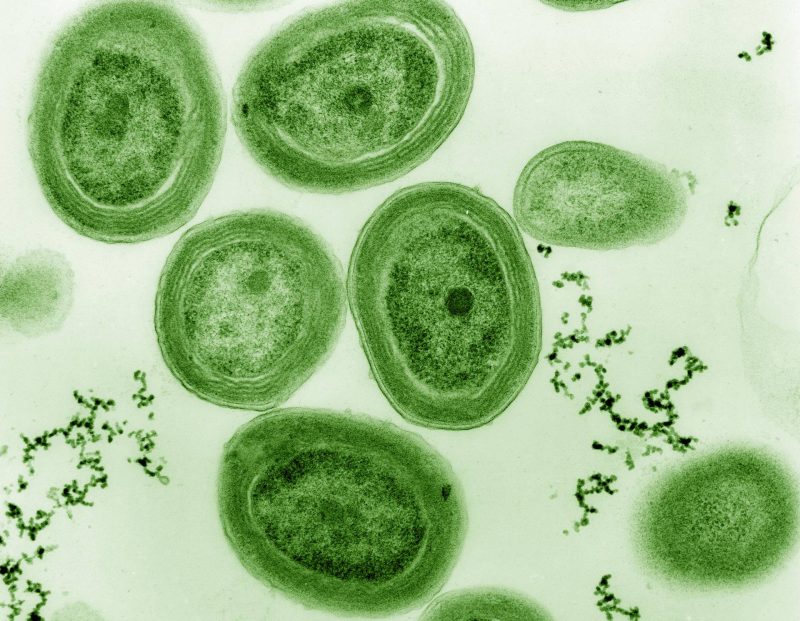
Prochlorococcus, the most abundant microbe in the oceans, is facing a survival crisis due to global warming. This single-celled cyanobacterium, found across more than 75% of the ocean's surface waters,…
A new study from the University of Hong Kong, published in Nature Climate Change, has found that long-term exposure to extreme heat can accelerate organ aging and increase multiple health…