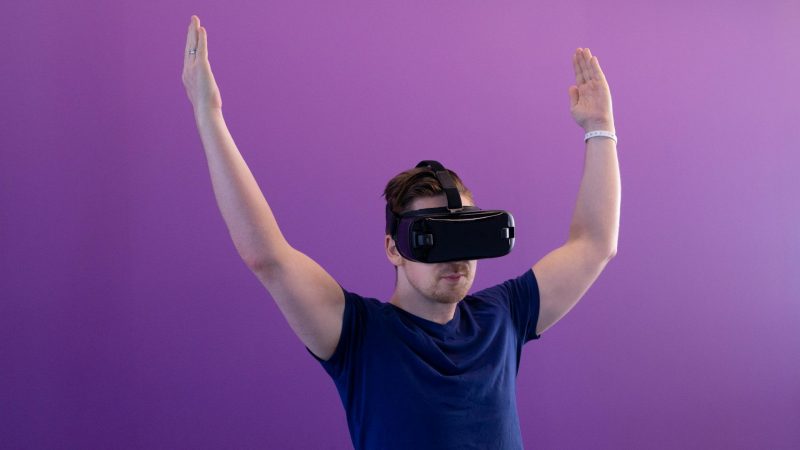
Can emotion-sensing technology enhance people's engagement with virtual reality (VR) sports games, particularly when the exercise becomes too monotonous or challenging?
VR sports games combine screen time with physical activity, offering an ideal way to stay healthy. However, like traditional exercise, a major issue faced by VR sports games is low player retention, as many individuals tend to quit once they feel uncomfortable or bored.
Computer scientists at the University of Bath in the UK believe they have found a solution to this problem: sensors continuously monitor players' emotional states during exercise, enabling the game to dynamically adjust based on the detected results—such as modifying game difficulty to maintain player engagement.
The team has developed a series of innovative sensors that can be embedded in wearable devices like VR headsets and smartwatches, tracking players' physical changes in real-time during exercise.
This research was recently presented at the prestigious ACM CHI conference on human-computer interaction and was honored with an award.
Researchers hope that game developers can utilize this discovery to create more immersive gaming experiences, aiding users in activities where they typically tend to give up easily, such as running or weightlifting.
Adaptive VR Sports Games: A Solution to Player Retention Issues
Tags
A new study from the University of Surrey in the United Kingdom suggests that the future of manufacturing is not solely about machines and artificial intelligence—it is about empowering humans.…

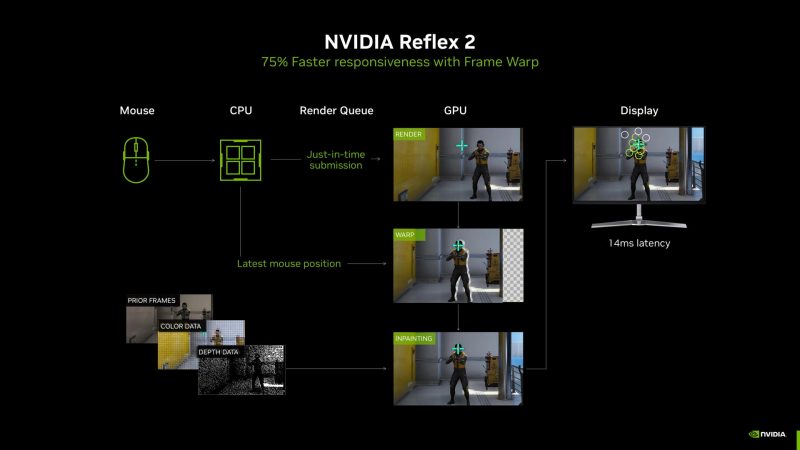
At CES 2025, NVIDIA introduced its RTX 50 series graphics cards and unveiled Reflex 2, a next-generation low-latency technology. Reflex 2 enables the GPU to obtain the latest mouse movement…
Blizzard Entertainment has announced an upcoming technical test for its renowned online game, World of Warcraft, as part of its preparations for the highly anticipated re-release in China. The test…

The technical preview version of Unity 6 engine has been launched. It brings a range of VR/XR optimization improvements that promise significant enhancements in rendering quality for text, UI, and…

Facebook's parent company, Meta, made an announcement on Monday local time, revealing its plans to collaborate with external hardware companies such as Lenovo, Microsoft, and Asus. The objective of this…