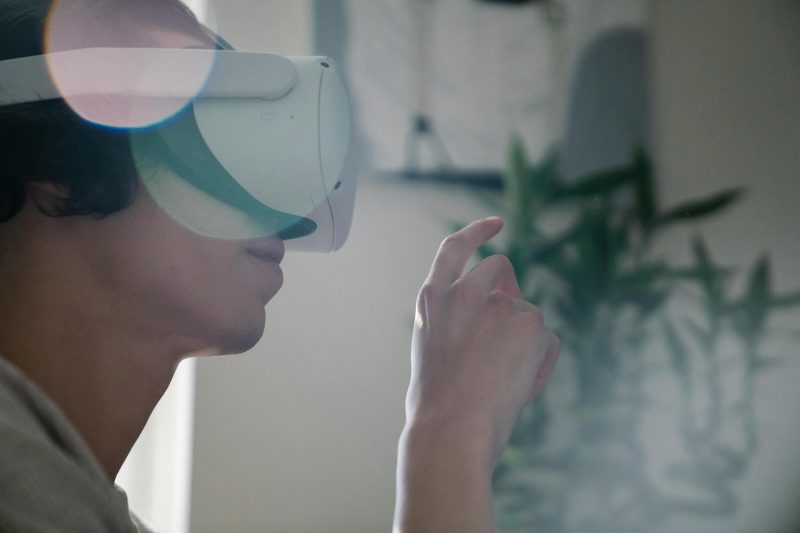
A new study from the University of Surrey in the United Kingdom suggests that the future of manufacturing is not solely about machines and artificial intelligence—it is about empowering humans. The integration of advanced technologies such as augmented reality (AR) and digital twin systems is set to redefine workforce roles, placing human ingenuity at the center of manufacturing.
Published in the journal Sustainability, the paper explores the transformative potential of metaverse technologies within the manufacturing sector. It focuses on how AR, virtual reality (VR), and digital twin systems can enhance interactions between human workers and automated processes.
The research team analyzed over 130 articles published between 2010 and 2024, investigating the evolution of metaverse applications in manufacturing environments. Through a systematic review of these studies, they identified key trends, challenges, and opportunities that have emerged alongside technological advancements.
Despite the increasing popularity of AR and digital twins, the findings indicate that several obstacles impede their widespread adoption. Issues related to precision, data interoperability, and the need for skilled personnel pose significant challenges to manufacturers seeking to implement these innovations. The study advocates for a strategic framework to overcome these barriers, including enhanced employee training and fostering collaboration between human workers and advanced robotics.
Tags
Chinese industrial enterprises demonstrated a more moderate decline in profits for the second consecutive month in November, coupled with a return to revenue growth supported by favorable policies. Industrial enterprises, with…
Can emotion-sensing technology enhance people's engagement with virtual reality (VR) sports games, particularly when the exercise becomes too monotonous or challenging? VR sports games combine screen time with physical activity, offering…
The technical preview version of Unity 6 engine has been launched. It brings a range of VR/XR optimization improvements that promise significant enhancements in rendering quality for text, UI, and…

Facebook's parent company, Meta, made an announcement on Monday local time, revealing its plans to collaborate with external hardware companies such as Lenovo, Microsoft, and Asus. The objective of this…

Despite incurring losses of nearly $50 billion in its metaverse business, tech giant Meta is continuing to make significant investments in virtual worlds and the metaverse, according to a company…