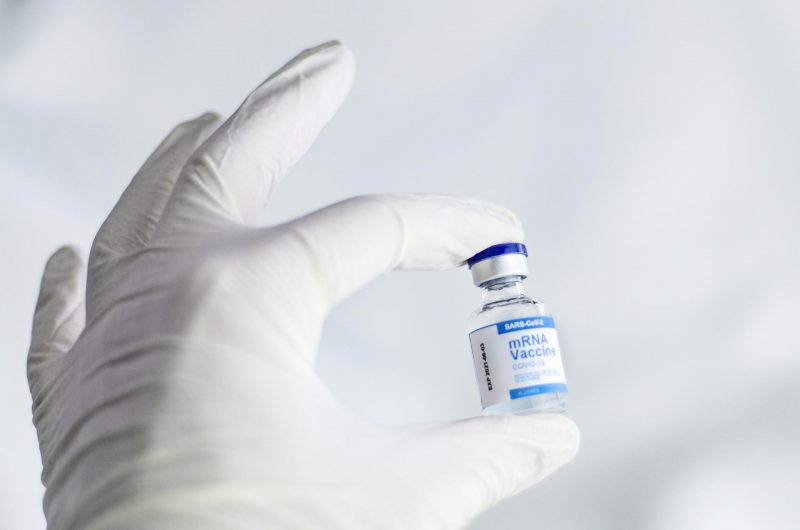
The U.S. Department of Health and Human Services (HHS) has recently decided to terminate 22 mRNA research contracts under the Biomedical Advanced Research and Development Authority (BARDA), drawing significant attention from the scientific community. Although the move primarily affects infectious disease research, experts worry it could undermine the momentum of mRNA technologies in broader therapeutic areas and weaken preparedness for future public health emergencies.
Some officials have questioned the safety and efficacy of mRNA platforms, yet extensive evidence shows their pivotal role in COVID-19 prevention. mRNA vaccines demonstrated rapid adaptability and scalability, while the technology has since expanded into cancer immunotherapy and beyond. Personalized mRNA melanoma vaccines have shown promising results in reducing recurrence and mortality, and biotech firms are reporting encouraging progress in pancreatic cancer vaccine trials. Research is also advancing in HIV vaccines and rare disease treatments, highlighting the platform's wide-ranging potential.
Although the National Institutes of Health (NIH) continues to fund select mRNA programs, policy uncertainty has sparked concerns within the biomedical innovation ecosystem. Analysts warn that sustained policy and financial support are vital for maintaining U.S. leadership in biotechnology, cautioning that reduced investment could shift resources and industry focus overseas.
Despite these uncertainties, the scientific community broadly acknowledges the transformative value of mRNA. With its programmable design and rapid development cycle, the technology remains a critical tool against emerging infectious diseases and complex conditions. Researchers are urging continued investment to avoid missing out on major medical breakthroughs.
U.S. Halt of mRNA Contracts Raises Concerns Over Biotech Leadership
Tags
US-based biotech company Advanced Aesthetic Technologies (AAT) has introduced its agarose-based facial filler, Algeness VL, to China's fast-expanding medical aesthetics market, marking a new milestone in facial contouring and reconstruction…

A new study published in Nature Cancer has revealed that cancer cells can actively export mitochondria to nearby healthy cells, offering fresh insights into how the tumor microenvironment develops. While earlier…

A new study from Edith Cowan University (ECU), Australia, reveals that even a single session of resistance training or high-intensity interval training (HIIT) may help suppress cancer cell growth. Researchers…

Scientists have developed an artificial intelligence-powered “GPS” navigation system to help immune cells precisely locate and attack cancer cells. This system uses custom-designed miniature proteins to guide the immune response…
A new study published in Nature reveals that air pollution may drive cancerous mutations in lung cells—even among individuals who have never smoked. Scientists found that residents of highly polluted…