In March 2022, during the United Nations Environment Assembly in Nairobi, Kenya, representatives from 175 countries made a historic decision. They approved a groundbreaking resolution aiming to put an end to plastic pollution by 2024 and establish a legally binding international agreement.
Unfortunately, the progress so far has been disappointing. According to an article in "Nature", during a recent meeting held at the headquarters of the United Nations Environment Program (UNEP), scientists urged the participating representatives to expedite the development of a global treaty to eliminate plastic pollution. Some ecologists argue that only about one year remains, yet the goal still seems far off.
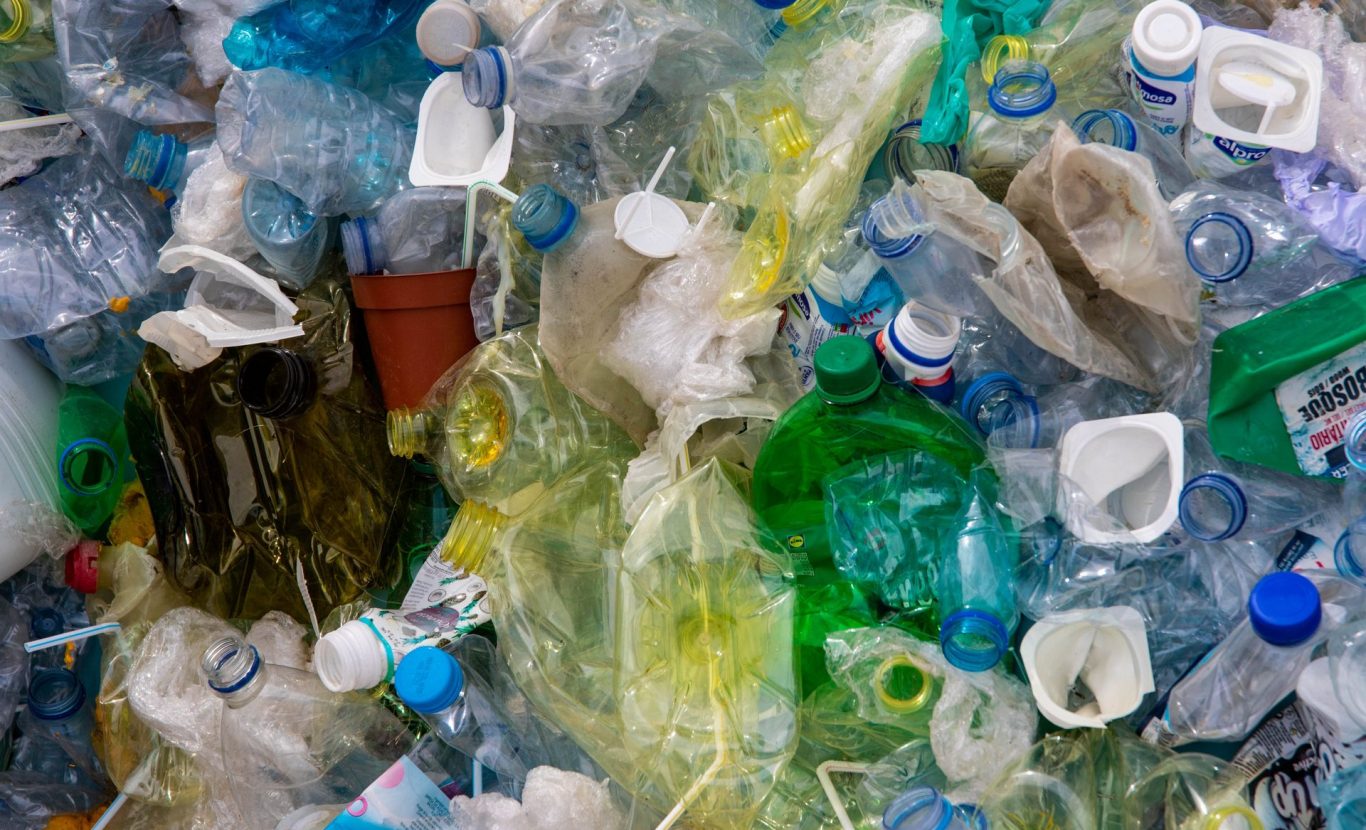 Image Credit: Magda Ehlers
Currently, humans produce more than 450 million tons of plastic every year. Shockingly, approximately 22% of plastic waste is improperly discarded through open dumping or burning in uncontrolled areas, due to poor management practices. Instead of being properly incinerated or recycled in sealed landfills, it ends up in the environment. It is estimated that by 2050, a staggering 12 billion tons of plastic waste will have accumulated in landfills and natural environments worldwide.
Extensive studies have assessed the impact of plastic waste, revealing alarming findings. Plastic forms islands in the ocean, integrates into underwater coral reefs, and even chemically bonds with rocks in river beds. Chemical particles from plastic in the air, oceans, and land pose significant threats to the environment and human health. Microplastics have entered the food chain, bloodstream, and have even been detected in breast milk.
Ana Rocha, representing the Global Alliance for Incinerator Alternatives (GAIA), emphasizes the urgency of the situation. However, the commitments made in the ongoing negotiations have not been fulfilled, and progress toward the treaty has been slow.
Following the second meeting of the United Nations Environment Program Intergovernmental Negotiating Committee, the initial draft of the global plastic restriction treaty, known as "draft zero", was finalized. This draft encompasses over a dozen key issues that need to be addressed, including reducing plastic production, waste management, promoting the use of recycled materials, phasing out single-use plastics, encouraging alternative materials, and limiting chemical usage. It also provides suggestions for resolving each problem.
The recent conference held in Nairobi marks the halfway point towards finalizing the treaty's goals by 2024. During the meeting, representatives from governments, industries, academia, and relevant advocacy groups convened to discuss pertinent issues. Among them, the Scientists Alliance for an Effective Plastics Treaty, consisting of 250 experts from 50 countries, is advocating for a legally binding agreement that sets plastic reduction targets.
Furthermore, the Union of Scientists is calling for the inclusion of chemicals of concern in the plastic restriction treaty. Recent research indicates that plastics contain approximately 13,000 chemical substances, with over 4,000 being hazardous, more than 10,000 lacking sufficient data, and only 1% of chemical substances being regulated by existing international environmental agreements.
In response to this, some groups of scientists are urging the establishment of a scientific body similar to the Intergovernmental Panel on Climate Change. This body would regularly provide the latest scientific evidence and information on plastic pollution to treaty negotiators and policymakers, ensuring informed decision-making.
The Urgency of Plastic Pollution: Scientists Push for Swift Development of Global Treaty
Tags
For years, biochar was seen mainly as a passive material—removing contaminants from water by adsorption or serving as a support for catalysts. However, new research has revealed that biochar itself…
Climate change and plastic pollution are two of the most pressing environmental challenges facing humanity. A research team at the University of Copenhagen has developed a breakthrough material, BAETA, that…

A new study published in Nature reveals that air pollution may drive cancerous mutations in lung cells—even among individuals who have never smoked. Scientists found that residents of highly polluted…

A research team from Rice University and Baylor College of Medicine has developed a groundbreaking method for detecting soil pollutants, capable of identifying harmful substances that have never been isolated…

A study led by McGill University in Canada warns that millions of kilometers of rivers worldwide are contaminated with antibiotics at levels high enough to exacerbate antimicrobial resistance and harm…
Researchers at Brunel University London have discovered that Pseudomonas aeruginosa, a common hospital pathogen, can degrade polycaprolactone (PCL), a biodegradable plastic widely used in medical devices such as sutures, implants,…