Badminton is a popular racket sport all over the world, and one of the unique features of the game is the shuttlecock. A shuttlecock is a projectile that is used during the game, and it is made up of a cork base and feathers.
When used in tournament play, badminton shuttlecocks always have 16 feathers. The reason for this is that extensive research and testing have been conducted to determine which number of feathers creates the best drag, spin, and flight. It was found that when 16 feathers are used, it produces the best results during the game of badminton.
The feathers used in shuttlecocks are usually taken from the left wing of a goose or a duck. This is because the feathers on the left wing spin clockwise, which ensures stable flight. The feathers are carefully selected for quality and are trimmed and shaped to ensure consistency in flight.
The cork base of a shuttlecock is also an important component. The cork used is typically from a special type of oak tree, and it is carefully selected for its density and durability. The cork is then shaped into a cone and coated with a thin layer of leather or synthetic material to protect it and to provide a smooth surface for the feathers to attach to.
The shuttlecock is a unique projectile that makes badminton different from other racket sports. The combination of the cork base and feathers creates a projectile that has a high level of drag and spin, making it difficult to control and requiring a high skill level to play effectively.
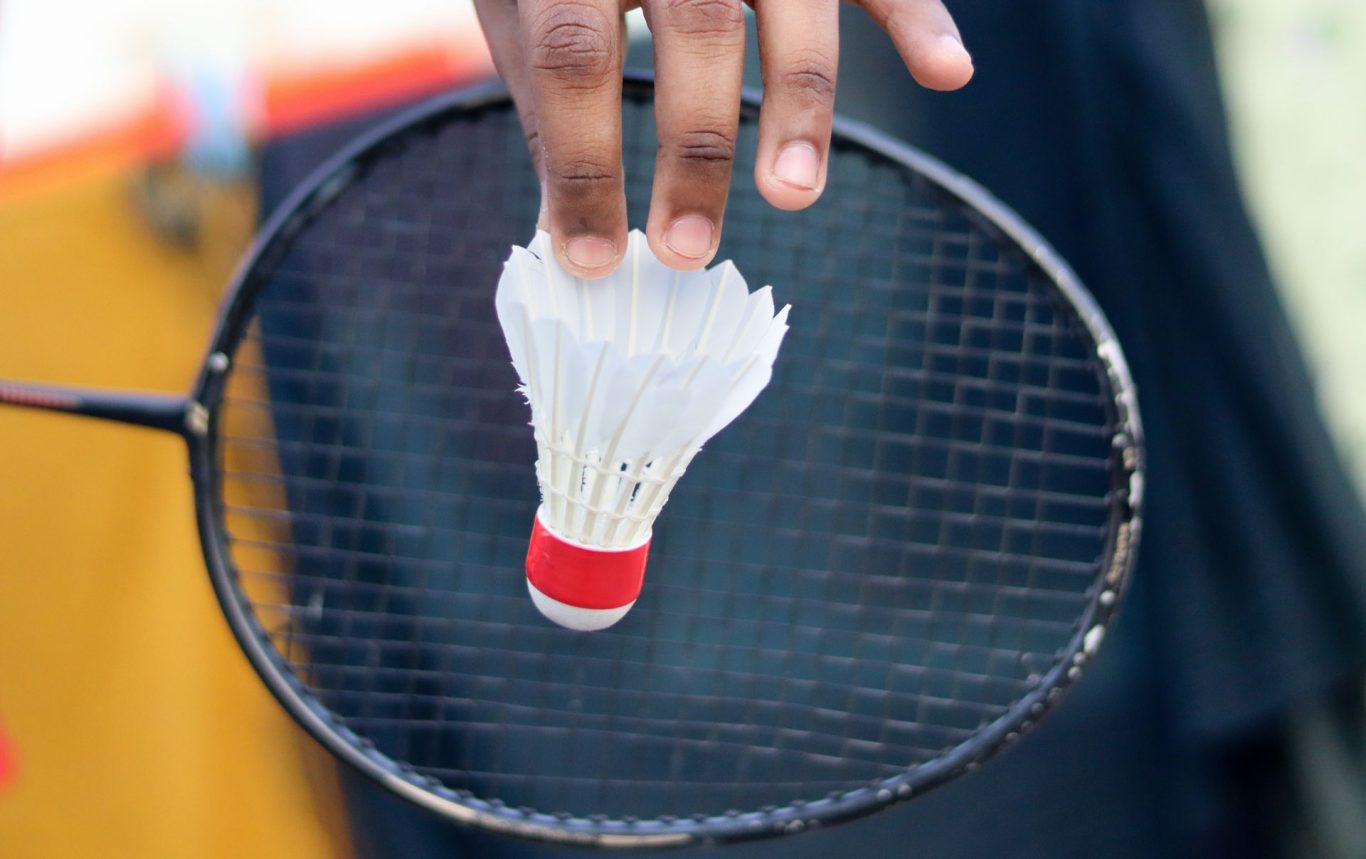 Image Credit: Saif71.com
Shuttlecock specs in international tournaments
Weight: 0.167 to 0.194 ounces (4.74 to 5.5 grams).
Size: The length of the feathers is 6.2 to 7 cm, and the diameter of the cork base is 0.98 to 1.10 inch.
Color: It is usually white or yellow for better visibility.
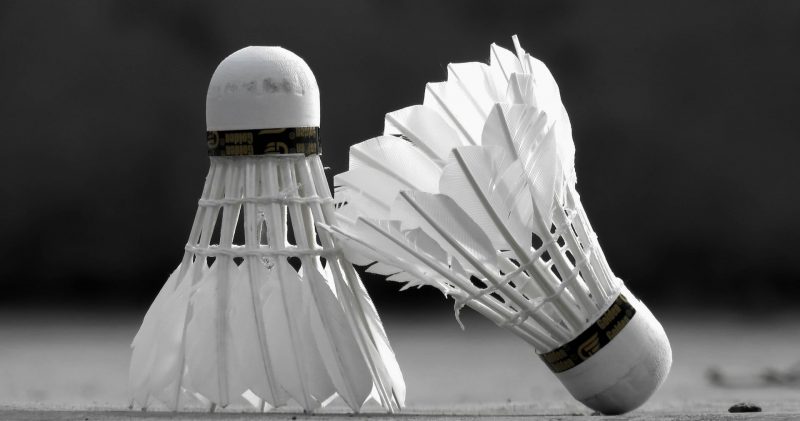
Image Credit: Saif71.com
Tags
Can emotion-sensing technology enhance people's engagement with virtual reality (VR) sports games, particularly when the exercise becomes too monotonous or challenging? VR sports games combine screen time with physical activity, offering…
DeepMind, the leading artificial intelligence research and development company owned by Google, has joined forces with Liverpool Football Club to create TacticAI, an innovative artificial intelligence model. TacticAI aims to…

NBA and Apple are reportedly partnering to offer live basketball games on the Vision Pro headset by 2024. The collaboration could revolutionize sports broadcasting and expand Apple's service offerings.