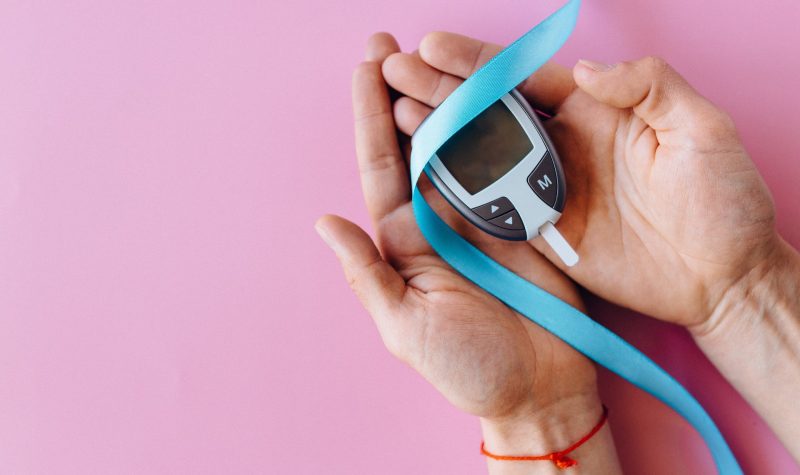
When a person consumes sugar, it is absorbed into the body and can have an impact on the brain's regulation of hunger and fullness. Sugar can interfere with the hormones ghrelin and leptin, which respectively stimulate and suppress appetite. This interference can lead to a constant feeling of hunger and a reduced feeling of fullness. Additionally, sugar consumption can decrease dopamine signaling in the brain's reward center, reducing the pleasure associated with eating and leading to a desire to consume more sugar. The most significant risks associated with excessive sugar consumption are dental caries and obesity.
A few years ago, the World Health Organization (WHO) issued guidelines for both adults and children regarding the recommended daily intake of free sugars. The guidelines suggest that sugar intake should be limited to below 10% of total energy consumption, with an ideal limit of below 5% of total energy consumption.
So how could we reduce sugar intake?
Avoid consuming sweetened drinks on a daily basis. If you do choose to have a drink, opt for sugar-free options. This includes carbonated drinks, tea drinks, probiotic drinks, fruit juice drinks, brown sugar water, honey water, etc. Instead of drinking these beverages regularly, reserve them for special occasions.
Limit your consumption of pure fruit juice and opt for whole fruit instead. Whole fruit provides more fiber and nutrients than juice and is generally a healthier option. If you do choose to drink juice, try to select options that are 100% fruit juice without added sugars. When making juice at home, aim to include more vegetables and less fruit to reduce sugar content.
Limit your consumption of baked food and select sugar-free options whenever possible. Restrict your intake of sweets such as bread, desserts, biscuits, and cookies, and consider making your own bread and snacks with minimal added sugar. When baking, experiment with alternative sweeteners such as stevia or applesauce to reduce sugar content.
If you often prepare or cook your own food, make a habit of using minimal or no added sugar. For instance, avoid adding sugar to porridge, soy milk, or coffee. Also remember to read food labels carefully because many foods contain hidden sugars, even those that are not sweet, such as bread, pasta sauces, and salad dressings.
In order to reduce sugar intake, choose sugar-free options whenever possible, both in beverages and food. For instance, opt for water and tea instead of sugary drinks on a daily basis. If you crave sweetness, consider choosing beverages sweetened with sugar substitutes. However, keep in mind that sugar substitutes are one option for reducing sugar intake and should not be relied on solely for weight control or reducing the risk of non-communicable diseases. It's important to maintain a balanced and varied diet, and sugar substitutes should be used in moderation.
Reducing Sugar Intake: Tips and Strategies for a Healthier Diet
Published on Jun 30, 2023
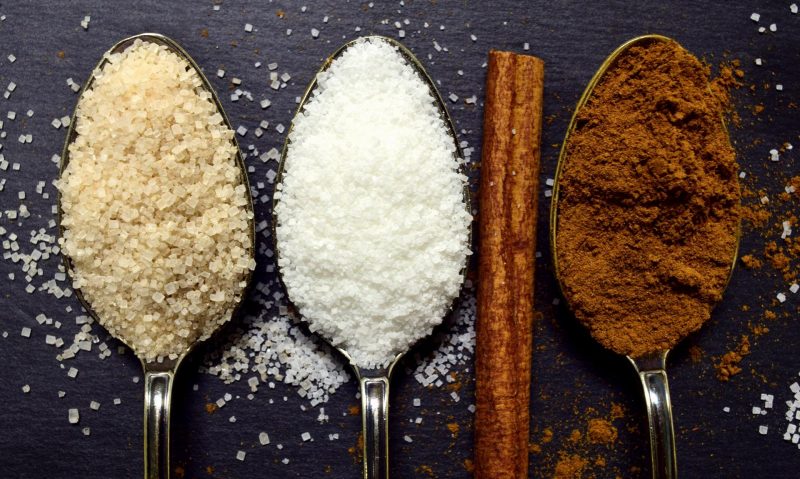
Image Credit: Leopictures
Tags
From low-carb ice creams and keto protein bars to sugar-free beverages, the sweetener erythritol has become a staple in many food products. However, new research suggests this widely used sugar…

A recent study from the Friedman School of Nutrition Science and Policy at Tufts University suggests that drinking 1 to 2 cups of caffeinated coffee per day may lower the…

Genetic Discovery Unveils Tomato Tar's Surprising Defense Mechanism and Potential Applications
May 14, 2024
In a recent publication in Science Advances, a team of researchers from Michigan State University has unveiled a significant genetic revelation concerning the sugars found in "tomato tar." This discovery…

Diabetes is a chronic condition characterized by high blood sugar levels that can have detrimental effects on various parts of the body. It can lead to complications such as eye…