In a study published in the journal Advanced Functional Materials, a team from Princeton University in the United States detailed their process of utilizing thermoplastic elastomers, a commonly used polymer, to craft 3D printed structures with adjustable stiffness. By manipulating the printing paths of the 3D printer, engineers can program the physical properties of the plastic, enabling it to stretch and bend in one direction while maintaining rigidity in another.
The researchers highlighted the potential applications of this technology in areas such as soft robotics, medical devices, prosthetics, lightweight helmets, and custom high-performance shoe soles.
The key to the material's performance lies in its smallest internal structures. The research team employed a block copolymer that forms rigid cylindrical structures of 5-7 nanometers in thickness within the elastomeric polymer matrix. Using 3D printing technology, the researchers positioned these nanoscale cylinders, rendering the 3D printed material stiff in one direction but soft and elastic in nearly all other directions. Designers can place these cylinders in different orientations within a single object, resulting in regions of the object exhibiting both stiffness and stretchiness.
Moving forward, the research team aims to delve into novel 3D printing architectures that will be compatible with applications such as wearable electronics and biomedical devices.
Programmable 3D Printing: Adjustable Stiffness in Thermoplastic Elastomers

Tags
A research team from McGill University, Canada, has unveiled a groundbreaking innovation — the world's first micro bio-printer with a diameter of just 2.7 millimeters, as reported in the journal…

Researchers at RMIT University in Australia have developed a novel titanium alloy for 3D printing that costs about 33% less than the widely used Ti-6Al-4V alloy. By replacing expensive vanadium…

Metal laser processing is widely used in sectors such as automotive, aerospace, and healthcare for tasks like precision welding and metal 3D printing, thanks to its high accuracy and flexibility.…
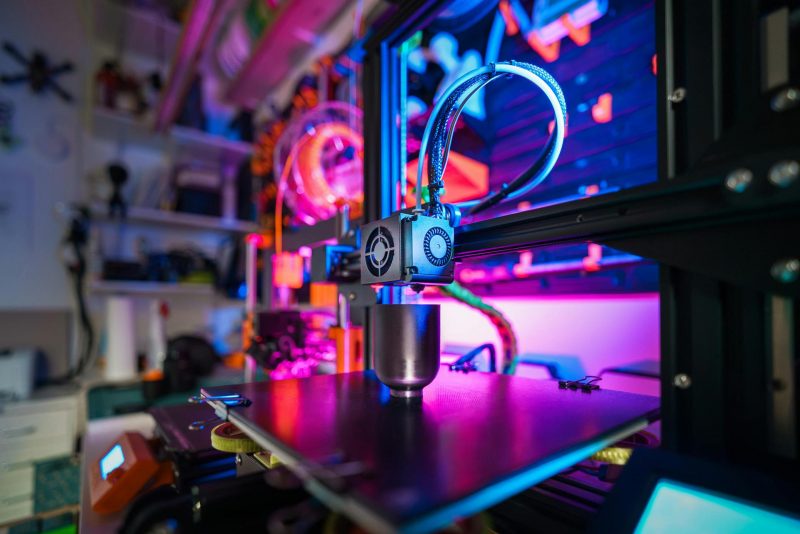
MIT Engineers Develop Breakthrough Dual-Network Metamaterial Combining Strength and Flexibility
For years, the design of metamaterials has pursued ever-greater strength, often at the expense of flexibility. Now, engineers at the Massachusetts Institute of Technology (MIT) have developed an innovative metamaterial…
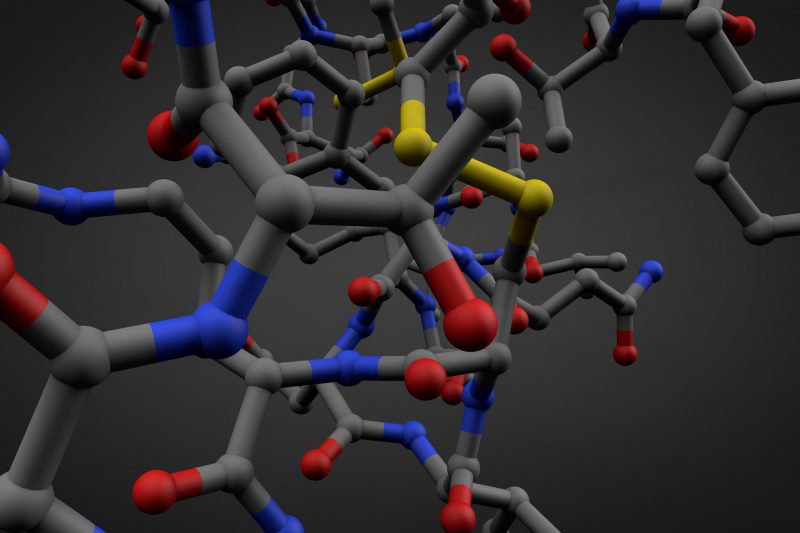
Collecting water from the air and reducing humidity are crucial for achieving a more comfortable life. Water-absorbing polymers have played a key role in atmospheric water harvesting and desiccant air…