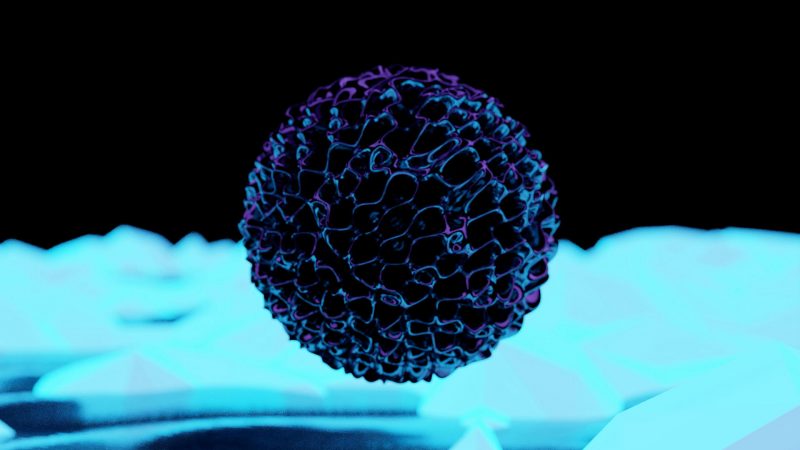
Cancer has been likened to an "unhealable wound", indicating that the immune system is unable to effectively eliminate invading tumor cells. A research team at the Wilmot Cancer Institute at the University of Rochester Medical Center in the United States has discovered a key molecule that can reprogram immune cells, transforming them into "accomplices" that promote cancer development.
The corresponding author of the study points out that investigating the behavior of these "pro-tumor" immune cells is crucial, as they could serve as therapeutic targets to halt cancer progression. This finding has been published in the Proceedings of the National Academy of Sciences (PNAS).
The research team investigated the dynamic interactions between cells in the tumor environment, uncovering the mechanism by which immune cells shift from resisting cancer to aiding its development.
They found that Platelet-Activating Factor (PAF) is a key molecule that determines the fate of immune cells. PAF not only recruits pro-cancer cells but also inhibits the immune system's anti-cancer capabilities. Various cancers rely on the same PAF signal for spreading.
The researchers emphasize that finding a treatment method to block PAF could potentially be effective for various types of cancer.
Key Molecule Found to Reprogram Immune Cells into Cancer Promoters
Tags
A study published in Nature has uncovered a new mechanism for how the brain stores emotional memories—one that centers not on neurons, but on astrocytes, the star-shaped glial cells once…

A new study published in Nature Cancer has revealed that cancer cells can actively export mitochondria to nearby healthy cells, offering fresh insights into how the tumor microenvironment develops. While earlier…
Scientists have identified a previously unknown type of immune cell in mouse fat tissue that appears to play a central role in chronic inflammation associated with aging. Unlike other immune…

The U.S. Department of Health and Human Services (HHS) has recently decided to terminate 22 mRNA research contracts under the Biomedical Advanced Research and Development Authority (BARDA), drawing significant attention…
A new study from Edith Cowan University (ECU), Australia, reveals that even a single session of resistance training or high-intensity interval training (HIIT) may help suppress cancer cell growth. Researchers…

Scientists have developed an artificial intelligence-powered “GPS” navigation system to help immune cells precisely locate and attack cancer cells. This system uses custom-designed miniature proteins to guide the immune response…