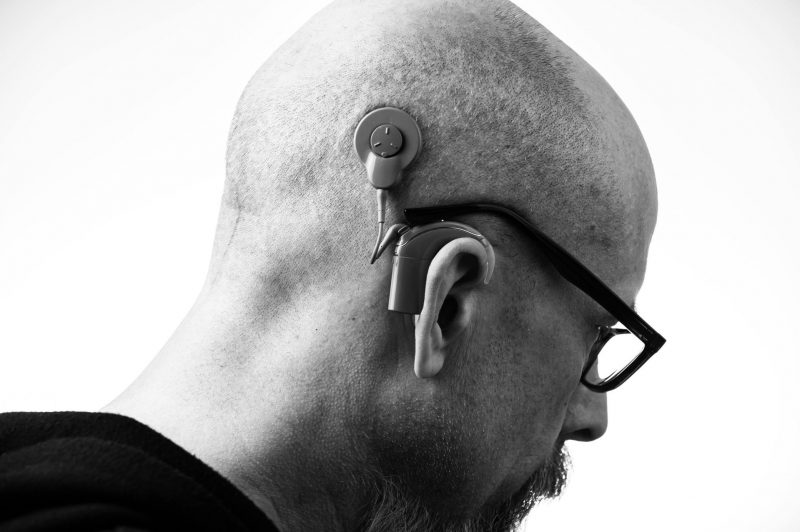
Hearing loss not only impairs auditory function but may also reshape how individuals interact with the world. A new study by the Keck School of Medicine at the University of Southern California, published in JAMA Otolaryngology–Head & Neck Surgery, is the first to show that hearing aids and cochlear implants significantly improve the social lives of adults with hearing loss.
The research found that adults using hearing devices are more socially active and report less loneliness, while many others remain untreated. Untreated hearing loss often leads to communication difficulties and gradual social withdrawal. Previous studies have linked prolonged social isolation to higher risks of loneliness, depression, cognitive decline, dementia, and even structural brain changes and inflammation.
By analyzing data from 65 studies involving over 5,000 participants, researchers observed that hearing device users experienced fewer social barriers, improved communication in group settings and noisy environments, a stronger sense of belonging, and reduced social anxiety. Cochlear implant users saw the greatest improvements, particularly due to the devices' effectiveness in treating severe hearing loss.
While this study did not directly measure cognitive health, earlier evidence suggests that treating hearing loss may help reduce the risk of cognitive decline. A separate 2024 study also found that adults with hearing loss who used hearing aids had nearly a 25% lower risk of mortality, suggesting a potential link between hearing health and longevity.
These findings highlight the broader health benefits of hearing treatment, encouraging greater public adoption and prompting clinicians to recognize the comprehensive value of hearing devices.
Hearing Aids and Cochlear Implants Boost Social Engagement and May Promote Longevity
Tags
Artificial intelligence (AI) is increasingly helping scientists decode how animals communicate and explore the possibility of dialogue across species. Recent studies show that species such as bonobos, chimpanzees, Japanese tits,…

In most people's brains, auditory and visual senses work together. Auditory information influences the activity in the brain regions processing vision. However, researchers at the University of Glasgow in Scotland…

A new study led by the Florida State University College of Medicine has quantified the relationship between loneliness and dementia by analyzing data from over 600,000 individuals worldwide, making it…

Researchers at Oregon State University have found that lonely individuals are more prone to experiencing nightmares. This study is significant as both loneliness and sleep disturbances are recognized as serious…

The future of the Voyager 1 spacecraft is uncertain as it continues to experience communication issues, raising concerns among scientists. Despite these challenges, the National Aeronautics and Space Administration (NASA)…