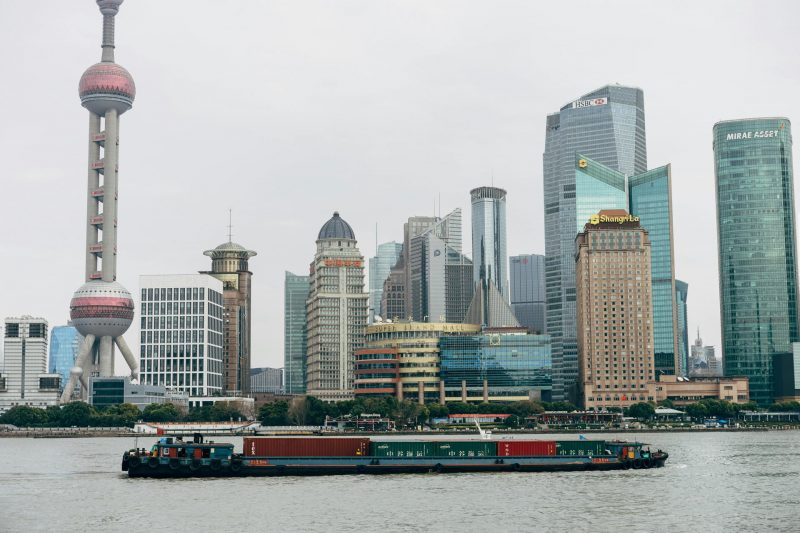
Reports have emerged that three undersea fiber optic cables in the Red Sea have been damaged, specifically AAE-1, EIG, and SEACOM/Tata TGN-Eurasia. AAE-1, which was initiated and led by China Unicom in 2012, stretches 25,000 kilometers from Hong Kong, China to Marseille, France, serving as a vital Internet communication link for over a dozen countries, from India to Greece.
While submarine optical cables may seem distant and intangible to ordinary individuals, they play a crucial role in our daily lives. These cables facilitate over 99% of the current communication traffic between continents and have become the lifeblood of the global economy.
In June 2022, AAE-1 experienced a disruption, resulting in a temporary network outage affecting 90% of Ethiopia's network connections. Several other countries were also affected, and the cloud services of major tech companies such as Google, Amazon, and Microsoft experienced disruptions.
Although the protective layers of submarine cables are primarily designed to resist saltwater corrosion, they remain vulnerable to deliberate man-made attacks, particularly in shallow waters like the Red Sea. In 2021, the American think tank CNAS conducted a war game, revealing that submarine optical cables were consistently targeted and sabotaged by other countries, thereby weakening or interrupting communications between the United States and its allies.
While Houthi militants have made threats on social media to disrupt Red Sea fiber optic cables, there is currently no definitive evidence linking them to the recent damages. According to TeleGeography, a telecommunications research organization, approximately one submarine optical cable is damaged every three days worldwide. The leading causes are fishing equipment and anchors, with natural disasters such as earthquakes accounting for most of the remaining incidents.
Installing undersea cables is a costly endeavor, with a trans-Atlantic cable installation ranging from $250 million to $300 million. Internet giants are increasingly taking on the responsibility of financing these expensive infrastructures, as they require high-speed and reliable transmission of large volumes of communication data. TeleGeography estimates that between 2023 and 2025, approximately $10 billion will be invested globally in the construction of new undersea cables, with nearly half of the funding coming from companies supported by Google or Meta.
Repairing a severed optical cable is a complex task. The offshore environment presents greater challenges compared to land-based repairs. While telecom operators can identify the precise locations of cable breaks, they still need to deploy ships to salvage and reconnect the damaged cables.
In the recent Red Sea incident, cable repair ships required permission from the Yemeni government to access the waters. Additionally, due to the ongoing threat of war, insurance companies have ceased providing coverage for cable ships sailing in these waters. The cable ships themselves are valued between $60 million and $100 million each, prompting telecom operator Seacom to consider the necessity of military escorts for these vessels.
Tags
Artificial intelligence (AI) is increasingly helping scientists decode how animals communicate and explore the possibility of dialogue across species. Recent studies show that species such as bonobos, chimpanzees, Japanese tits,…

Hearing loss not only impairs auditory function but may also reshape how individuals interact with the world. A new study by the Keck School of Medicine at the University of…

Researchers at Carnegie Mellon University have developed “Zippy”, the world's smallest self-powered bipedal robot. Standing just 1.5 inches tall, Zippy can walk at over 0.5 miles per hour and is…

The University of Hong Kong (HKU) has surpassed Peking University (PKU) in the latest QS World University Rankings, becoming the highest-ranked Chinese institution and marking a significant achievement for the…

Over 80 exhibitors are showcasing more than 1,000 products — including Japanese sake, plum wine, and beer — at the ongoing Japan Sake Month, the largest Japanese sake trade fair…

China will expand its visa waiver policy to include six additional countries starting June 1, aiming to further stimulate inbound tourism. Under a reciprocal agreement with Uzbekistan, citizens of both countries…