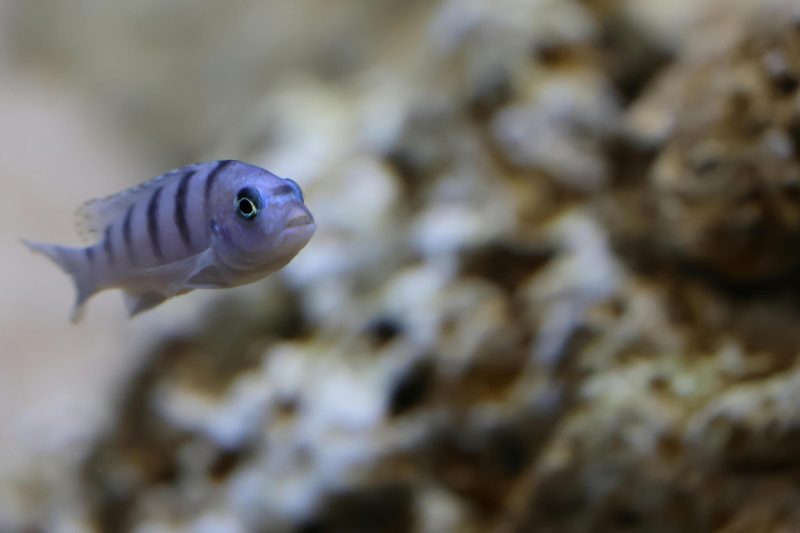
A groundbreaking clinical trial in Portugal aims to explore whether zebrafish can pave the way for more effective cancer therapies. Led by the Champalimaud Foundation, this five-year study marks the first randomized trial in which patients will receive treatments tested on zebrafish embryos implanted with their own cancer cells. Previous retrospective studies suggest that this "zavatar" technology—short for zebrafish avatar—can accurately identify successful treatment options. Researchers hope the trial will confirm its potential to deliver real benefits to patients.
Oncologists often face significant challenges in selecting treatments due to the unique characteristics of each patient’s tumor, including genetic, metabolic, and growth variations. Without precise tools, patients may endure multiple harmful therapies before finding an effective one. While genomic analysis can highlight potential treatments, even the presence of specific mutations does not guarantee success.
To address this, researchers have spent the past decade refining the zavatar technique. The process involves isolating cancer cells from a patient, tagging them with fluorescent markers, and implanting them into transparent zebrafish embryos, which can develop naturally outside the mother’s body. Anti-cancer drugs or radiation are then applied to the fish, allowing researchers to observe the response of the fluorescent tumor cells and assess the tumor’s sensitivity to various treatments.
If successful, this innovative approach could revolutionize personalized cancer therapy, offering a more reliable method to tailor treatments to individual patients.
Tags
A new study published in Nature Cancer has revealed that cancer cells can actively export mitochondria to nearby healthy cells, offering fresh insights into how the tumor microenvironment develops. While earlier…

The U.S. Department of Health and Human Services (HHS) has recently decided to terminate 22 mRNA research contracts under the Biomedical Advanced Research and Development Authority (BARDA), drawing significant attention…

A new study from Edith Cowan University (ECU), Australia, reveals that even a single session of resistance training or high-intensity interval training (HIIT) may help suppress cancer cell growth. Researchers…

Scientists have developed an artificial intelligence-powered “GPS” navigation system to help immune cells precisely locate and attack cancer cells. This system uses custom-designed miniature proteins to guide the immune response…
A new study published in Nature reveals that air pollution may drive cancerous mutations in lung cells—even among individuals who have never smoked. Scientists found that residents of highly polluted…

Earlier this year, the U.S. Surgeon General released a report warning that alcohol consumption increases the risk of at least seven types of cancer and called for cancer warning labels…