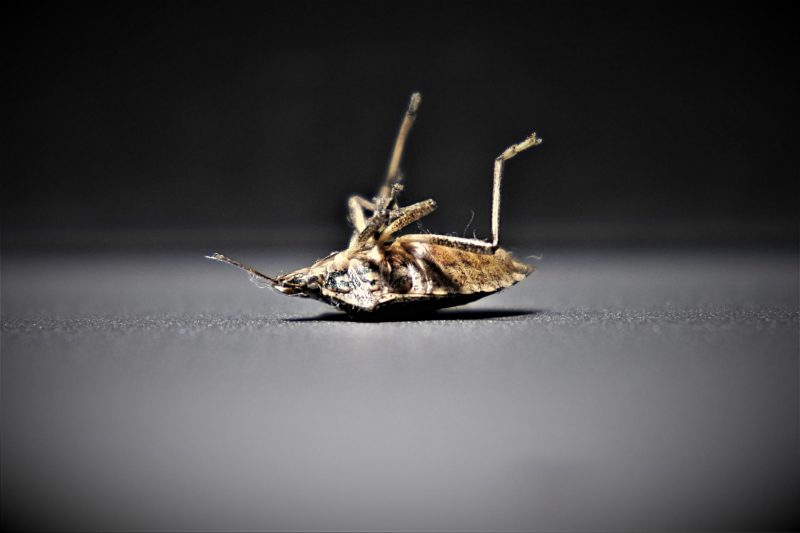
A new genomic study published in Communications Biology suggests that bedbugs may have been the earliest urban pests to form a symbiotic relationship with humans—predating rats and cockroaches by several thousand years.
Originally feeding on bats, some bedbug populations began adapting to human hosts around 245,000 years ago. This host shift gave rise to two genetically distinct lineages: one that remained bat-associated and another that followed humans into their homes. Researchers from Virginia Tech analyzed the genomes of 19 bedbug specimens and identified two major population booms in the human-associated lineage—approximately 13,000 and 7,000 years ago—coinciding with the emergence of sedentary lifestyles and early urban civilizations such as Sumer.
In comparison, German cockroaches and black rats only began cohabiting with humans around 2,000 and 5,000 years ago, respectively. Some researchers have proposed that lice, fleas, or follicle mites may also have early urban pest credentials, though studies in these areas remain limited.
The study also found that bedbugs adapted morphologically to human environments, with changes in body size, hair, and limb structure. Modern bedbugs have further evolved genes that confer resistance to insecticides, underscoring their rapid adaptation to human pest control efforts.
Bedbugs May Be Humanity's First Urban Pests, Genomic Study Reveals
Tags
Archaeologists have uncovered stone tools at the Little Paxton site, about 80 kilometers east of London, dating back roughly 440,000 years. Using advanced infrared radiofluorescence dating, researchers confirmed the artifacts…

Although all vertebrates possess a pelvis, only humans have evolved a structure optimized for efficient, long-distance bipedal locomotion. This evolutionary transformation took over five million years, yet the precise developmental…

Over 10 million years ago, ancient African apes gained extra nutrition by eating fallen, fermented fruit—a behavior that may have laid the evolutionary foundation for humans' alcohol tolerance. A recent…
Although the emotions and thoughts of past generations left no direct trace, cultural artifacts such as paintings, literature, and music serve as “cognitive fossils” that offer insight into historical psychology.…

Humans have an innate ability to perceive possible actions in their environment—knowing, for instance, that a path can be walked on or that a lake can be swum in. Despite…