Moderate exercise
Engaging in moderate physical activities such as walking, cycling, swimming can offer numerous health benefits. Moderate exercises can improve blood circulation, reduce stress levels, and enhance mental well-being.
The CDC recommends at least 150 minutes of moderate-intensity aerobic activity per week for older adults.
Healthy diet
Adopting healthy eating habits, such as consuming small meals frequently, and incorporating a balanced diet consisting of fruits, vegetables, whole grains, and high-quality protein sources like fish and beans can promote physical well-being and improve mental health.
Good sleep
Maintaining a consistent schedule for work, rest, and sleep is crucial for improving physical and mental well-being, including adequate sleep. And it is particularly important to restore energy levels, enhance mood, and promote overall health for older adults.
Regular physical examination
As the level of physical function declines in old age, the risk of various potential diseases in the body increases. Regular physical examinations, early detection of disease risks and active and effective intervention can prevent the aggravation or deterioration of diseases and improve the quality of life of the elderly in their later years.
Quit smoking and limit alcohol
Older adults should aim to avoid the health hazards associated with tobacco and excessive drinking. Quitting smoking and limiting alcohol intake can effectively reduce the risk of developing cardiovascular disease and other health issues.
Emotional expression
Active expression of emotions can be highly beneficial. Older adults can release negative emotions through various means such as talking to friends and family, writing in a diary, exercising, calligraphy, and painting. Finding appropriate ways to express emotions can greatly reduce stress and anxiety in the elderly.
Relaxation techniques
Older adults can benefit from learning relaxation techniques such as deep breathing, progressive muscle relaxation, and meditation to reduce anxiety and tension and maintain a calm and relaxed state.
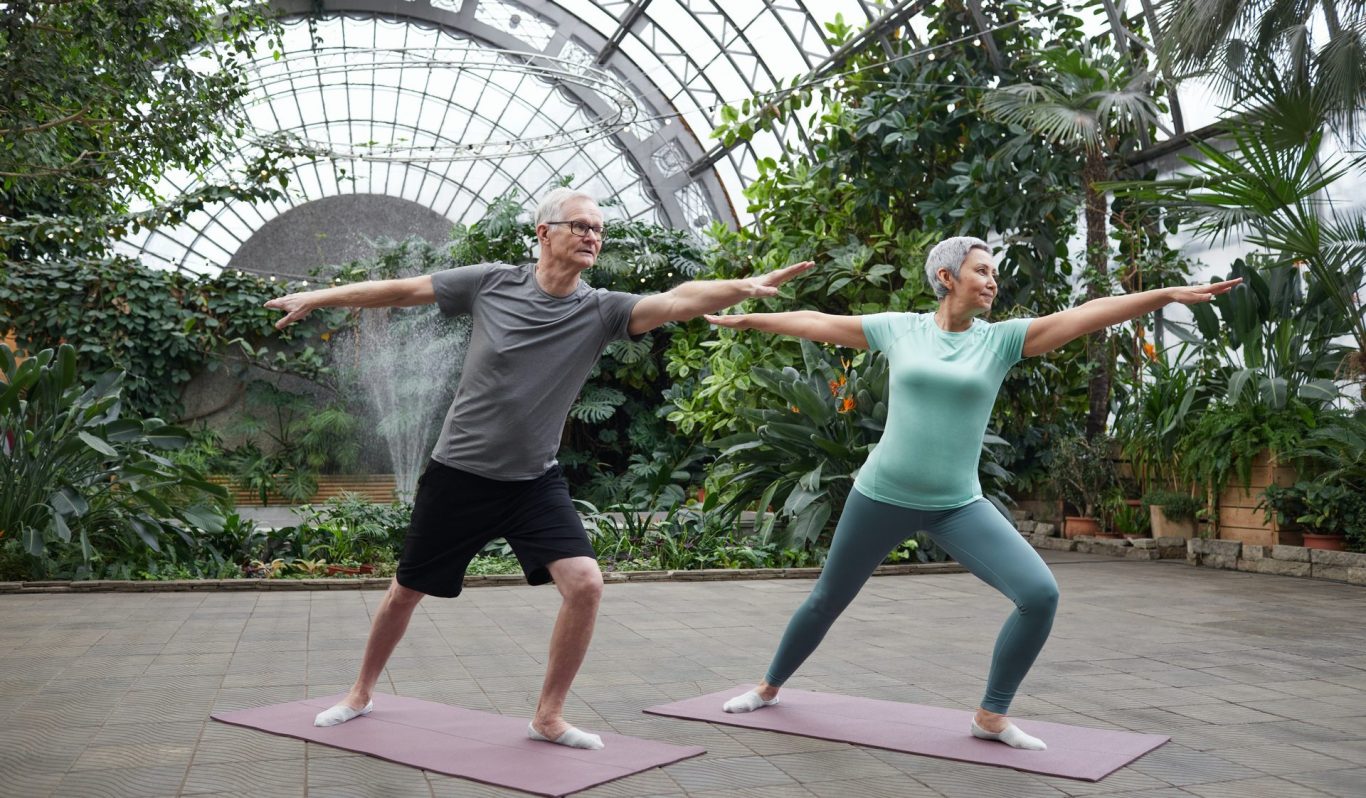 Image Credit: Marcus Aurelius
Be active in social activities
Staying socially active and maintaining connections with friends, family, or community interest groups can provide emotional support and understanding, reduce loneliness, and promote overall well-being.
Focus on positive things
By paying attention to the positive aspects and experiences of life, older adults can improve their emotional well-being. They can foster a hopeful outlook and actively pursue the things that bring them joy, gratitude, and satisfaction.
9 Tips for Older Adults to Maintain Physical and Mental Health
Tags
A new study from the Leonard Davis School of Gerontology at the University of Southern California (USC) suggests that exposure to extreme heat may accelerate biological aging in older adults,…

A new study reveals that relying solely on air circulation from electric fans is insufficient to cool the elderly indoors during heatwaves. Researchers from Griffith University in Australia published a…

As we grow older, our bodies undergo physiological changes that affect our ability to process alcohol, highlighting the importance of moderate drinking among older individuals. Understanding these changes can help…
The US XPRIZE Foundation has recently announced an exciting competition with a prize pool of $101 million. The competition aims to reward researchers who can develop innovative solutions to reverse…
Differentiating between old and new batteries can be done by testing their bounceability. When you mix old and new batteries, this method can help you distinguish between them. Simply drop…
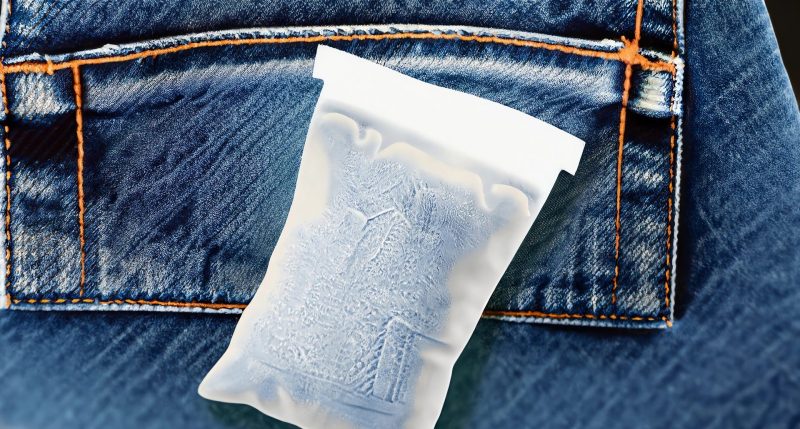
Next time you find yourself dealing with sticky gum on your clothes, remember the power of an ice pack. By cooling the gum, you can make it easier to remove without leaving any messy traces. Ice packs are readily available and offer a convenient solution for tackling gum-related mishaps.