Poor eating habits
Unhealthy eating habits can have negative consequences on our digestive system. Some common poor eating habits include skipping breakfast, overeating, and going to bed immediately after consuming a full meal.
When we skip breakfast, the stomach produces gastric acid without any food to digest. This can result in damage to the esophagus and stomach lining, and increase the likelihood of developing ulcers and gallstones. Similarly, individuals who work overtime often eat sparingly during the day and indulge in late-night snacks or meals, which can further exacerbate these issues.
Overeating not only leads to excessive gastric acid secretion and damage to the gastric mucosa, but it also places additional strain on other digestive organs such as the pancreas and gallbladder. This can disrupt the normal functioning and balance of the digestive system. Additionally, after a meal, it takes the stomach at least 4 hours to empty its contents. Consuming a heavy meal right before bedtime prevents proper digestion, potentially leading to digestive dysfunction.
An unbalanced diet and nutrition
As living conditions improve, many individuals adopt long-term diets that are high in salt, sugar, and fat. They develop preferences for pickled, barbecued, and smoked foods, among others. These dietary habits gradually contribute to the onset of stomach problems and may even lead to conditions such as diabetes, high blood pressure, and obesity. The consumption of high-salt, high-sugar, and high-fat foods over an extended period not only increases the burden on the stomach, resulting in indigestion and exacerbating symptoms like belching and abdominal distension, but it can also harm the gastric mucosa, leading to pathological changes such as congestion, edema, and erosion.
Long-term smoking, drinking and use of non-steroidal drugs
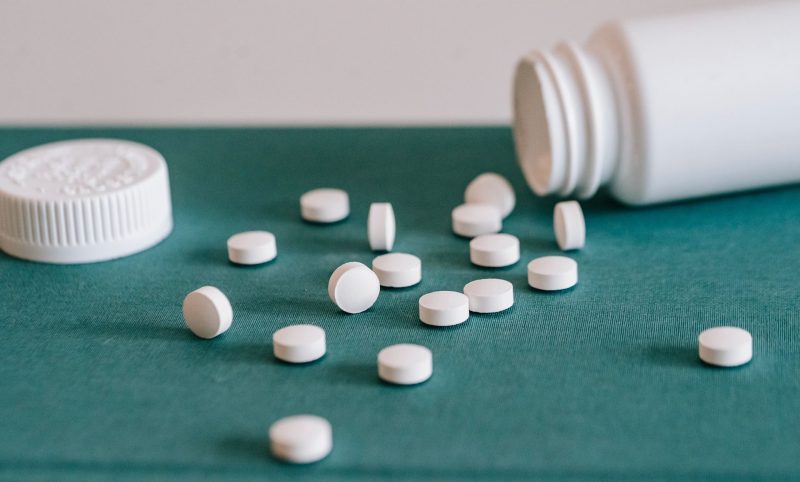
The gastric mucosa is highly sensitive to the effects of the smoke and alcohol. Smoking and excessive alcohol consumption can irritate the gastric mucosa and compromise the protective layer of the stomach, making it more vulnerable to erosion by gastric acid. Similarly, the indiscriminate use of non-steroidal anti-inflammatory drugs like aspirin and ibuprofen can lead to irritation and damage to the gastric mucosa.
 Image Credit: Dziana Hasanbekava
Working overtime and staying up late for a long time causes excessive pressure
Regularly staying up late can disrupt the body’s circadian rhythm, and the emotional toll of stress, anxiety, depression, and fear can contribute to decreased gastrointestinal motility. This can lead to discomfort such as loss of appetite, belching, and bloating. Emotions such as anger can increase gastrointestinal motility and gastric acid secretion. These factors can contribute to the development of conditions such as gastritis, gastric ulcers, and other gastrointestinal diseases.

Image Credit: Darko Djurin
Tags
There is a misconception among some individuals that chewing tablets before consuming them can enhance the speed of tablet absorption. However, this belief may be incorrect. In reality, chewing medication…
Many people enjoy eating spicy food, but some are concerned that it can cause stomach ulcers. Is this a reasonable concern? Actually, consuming a moderate amount of spicy food does not…