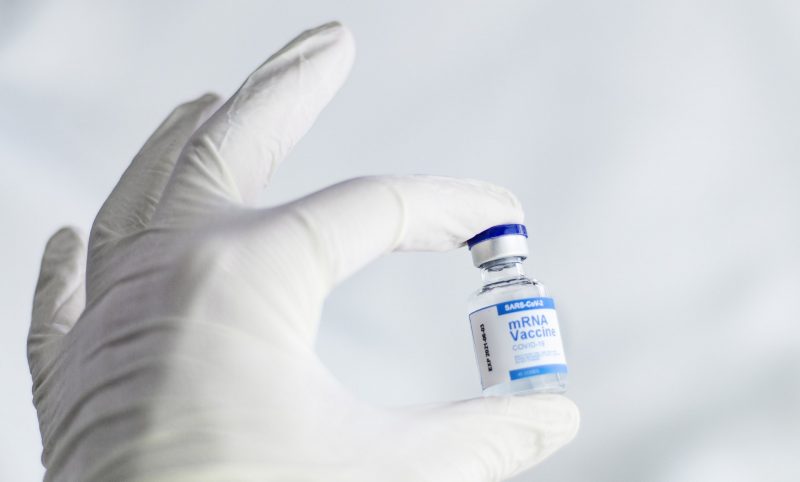
The Nobel Prize in Physiology or Medicine for 2023 has been awarded to Katalin Karikó and Drew Weissman for their pioneering discoveries in nucleoside modifications that paved the way for the development of highly effective mRNA vaccines against COVID-19. The Nobel Prize will be presented by the Swedish king at a ceremony in Stockholm on December 10.
While the COVID-19 pandemic brought global attention to mRNA technology, the research behind it has been ongoing for decades, with applications in other vaccines and diseases such as AIDS and cancer.
mRNA, the molecule responsible for carrying specific instructions from DNA to cells, plays a crucial role in the Pfizer-BioNTech and Moderna vaccines. In these vaccines, synthetic mRNA instructs human cells to produce the coronavirus antigen. This direct communication with cells represents a revolutionary approach compared to traditional vaccines, which typically involve injecting inactivated viruses or antigens to trigger an immune response.
A groundbreaking study published by Karikó and Weissman in 2005 demonstrated that a lipid envelope could safely deliver mRNA without causing adverse effects. This study sparked widespread interest in the pharmaceutical industry, leading to the emergence of numerous mRNA therapy-focused start-ups worldwide.
Karikó is a professor at the University of Szeged in Hungary and an adjunct professor at the University of Pennsylvania in the United States. Weissman conducted his award-winning research alongside Karikó at the University of Pennsylvania.
Katalin Karikó, born in 1955 in Novosaráš, Hungary, developed an interest in natural science at a young age. After obtaining her PhD from the University of Szeged in 1978, she worked at the Szeged Biological Research Center, focusing on RNA studies. Due to funding cuts in 1985, she applied for a postdoctoral position at Temple University in the United States. In 1989, Karikó joined the University of Pennsylvania School of Medicine as a research associate.
Drew Weissman, born on August 31, 1959, in Lexington, Massachusetts, showed a passion for science and hands-on experimentation from a young age. He pursued biochemistry/enzymology studies at Brandeis University and later earned a medical degree and a PhD in immunology/microbiology from Boston University School of Medicine. In 1989, Weissman joined Anthony Fauci's laboratory at the National Institutes of Health, focusing on postdoctoral research in infectious diseases. In 1997, he joined the University of Pennsylvania, where he met Karikó and began their collaborative scientific endeavors.
2023 Nobel Prize Recognizes Scientists' Pioneering Work on mRNA Vaccines against COVID-19
Tags
The U.S. Department of Health and Human Services (HHS) has recently decided to terminate 22 mRNA research contracts under the Biomedical Advanced Research and Development Authority (BARDA), drawing significant attention…
Researchers at Carnegie Mellon University have developed “Zippy”, the world's smallest self-powered bipedal robot. Standing just 1.5 inches tall, Zippy can walk at over 0.5 miles per hour and is…

The University of Hong Kong (HKU) has surpassed Peking University (PKU) in the latest QS World University Rankings, becoming the highest-ranked Chinese institution and marking a significant achievement for the…

Over 80 exhibitors are showcasing more than 1,000 products — including Japanese sake, plum wine, and beer — at the ongoing Japan Sake Month, the largest Japanese sake trade fair…

China will expand its visa waiver policy to include six additional countries starting June 1, aiming to further stimulate inbound tourism. Under a reciprocal agreement with Uzbekistan, citizens of both countries…

SpaceX Cleared to Boost Starship Launch Frequency in Texas, Expands Nationwide Launch Ambitions
SpaceX has received regulatory approval to significantly increase the launch frequency of its Starship rocket from its Texas launch site, marking a key milestone in the company's strategy to scale…