Aerobic exercise is a type of physical exercise which is performed by the human body under conditions of sufficient oxygen supply. This form of exercise offers several advantages, oxygen can fully ferment the sugar in the body, and it can also consume body fat, enhance and improve cardiopulmonary function, prevent osteoporosis, as well as improve one's psychological and mental state.
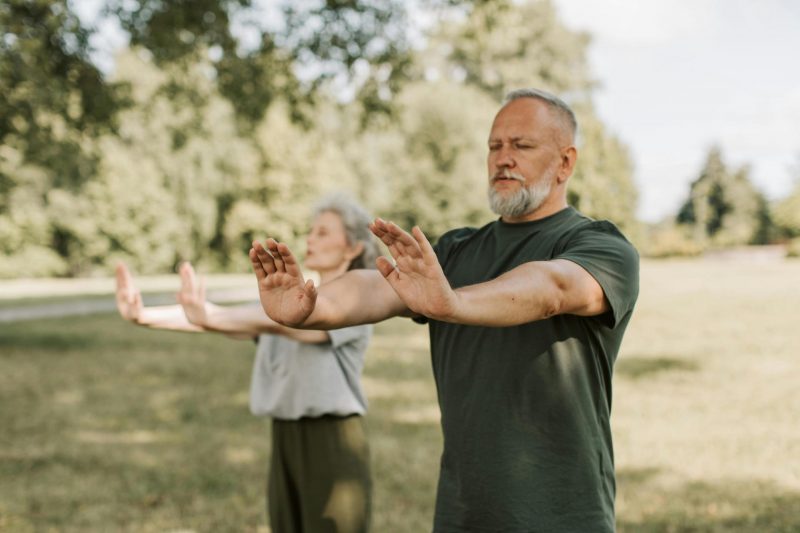
There are a wide range of activities that are taken as aerobic exercises, including walking, jogging, skating, swimming, cycling, Tai Chi, fitness dancing, rope skipping, rhythmic exercises, and ball games such as basketball and football.
Nowadays aerobic exercise has been considered to be the main exercise method for fitness. By engaging in regular aerobic exercise, individuals can improve their cardiovascular endurance, strengthen their muscles, and burn calories, leading to weight loss and improved overall health. Aerobic exercise also helps to reduced risk of chronic diseases, such as heart disease, stroke, and diabetes.
Here are some beginner-friendly aerobic activities:

Swimming
Exercise benefits: protects muscles and joints, especially knees, and aids weight loss.
Exercise cycle: 3 - 4 times a week, 30 - 60 minutes each time.
Calorie consumption: around 650 kcal/hour.

Jogging
Exercise benefits: enhances sleep quality, heart function, and reduces tension and anxiety.
Exercise cycle: 3 - 4 times a week, 40 to 60 minutes each time.
Calorie consumption: around 650 kcal/hour

Cycling
Exercise benefits: delays brain aging, enhances nervous system sensitivity, improves cardiorespiratory health, aids weight loss, and aids in rehabilitating cervical spondylosis.
Exercise cycle: 3 - 4 times a week, 40 to 60 minutes each time.
Calorie consumption: around 420 kcal/hour
It is recommended that individuals engage in at least 150 minutes of moderate-intensity aerobic exercise per week to reap the many benefits of this form of exercise.
What is Aerobic Exercise? And 3 Beginner Friendly Aerobic Activities

Tags
A new study from Edith Cowan University (ECU), Australia, reveals that even a single session of resistance training or high-intensity interval training (HIIT) may help suppress cancer cell growth. Researchers…

Why do some people thrive on high-intensity workouts while others struggle to maintain even a light yoga routine? A recent study by University College London (UCL), published in Frontiers in…

A groundbreaking study from the University of South Australia has confirmed that any form of physical activity can significantly enhance cognitive function across all age groups. This research, the most…
Swimming is a fantastic form of exercise that offers numerous health benefits for your entire body and cardiovascular fitness. However, you may have noticed that swimming can leave you feeling…

Tuna, also known as "tunny," are remarkable fish that are considered super swimmers because of their ability to swim endlessly without rest. Unlike other fish, tuna cannot freely control their…