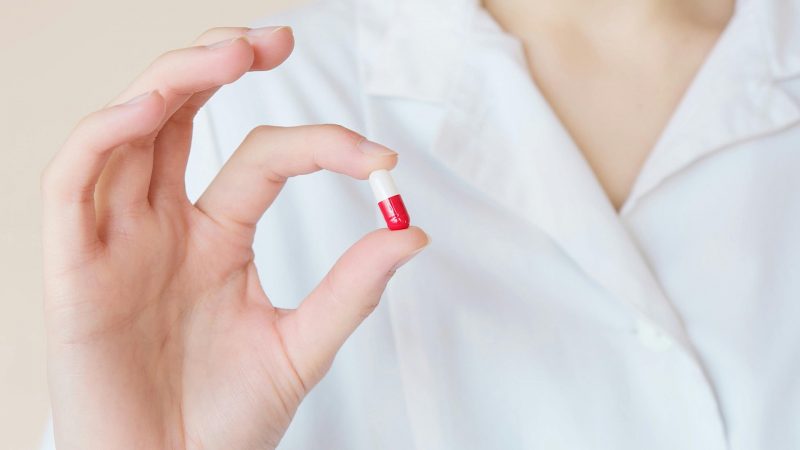
A new study published in Nature Communications points to a promising strategy for pain treatment. A research team led by the Pain Research Center at New York University has identified a way to block pain effectively without disrupting the body's natural inflammatory response, laying the foundation for safer alternatives to conventional painkillers.
Nonsteroidal anti-inflammatory drugs (NSAIDs), such as ibuprofen, are among the most widely used pain relievers worldwide. They work by suppressing prostaglandin production, thereby reducing both inflammation and pain. However, long-term NSAID use carries risks of stomach damage, bleeding, and cardiovascular or kidney complications. Moreover, since inflammation is a natural protective process that aids tissue repair, broad suppression can impair healing.
The researchers focused on prostaglandin E2 (PGE2), a key mediator of inflammatory pain. While previous studies highlighted the EP4 receptor, this team found that the EP2 receptor in Schwann cells—critical cells of the peripheral nervous system—is the primary driver of pain signaling.
In animal models, selectively blocking EP2 receptors in Schwann cells nearly eliminated PGE2-induced pain behaviors, while leaving inflammatory responses intact. This effectively “decouples” pain from inflammation.
The discovery highlights EP2 receptor antagonists as a precise drug development target. Such therapies could provide long-term relief for conditions like arthritis while avoiding the systemic side effects associated with traditional NSAIDs.
Targeting EP2 Receptor Offers New Path for Safer Pain Relief

Tags
Scientists have identified a previously unknown type of immune cell in mouse fat tissue that appears to play a central role in chronic inflammation associated with aging. Unlike other immune…

Stress has become a pervasive issue in modern society, with chronic stress now recognized as a leading contributor to major causes of death, including heart disease, cancer, stroke, respiratory illnesses,…

A study involving nearly 3,000 adults across four countries has found that the widely observed link between chronic inflammation and aging in industrialized societies does not appear in certain Indigenous…

A joint research effort between Sweden's Karolinska Institute and the Chinese Academy of Medical Sciences has uncovered a crucial RNA molecule for skin wound healing, potentially paving the way for…

When individuals ingest a placebo they believe to be a pain reliever, they often report a reduction in pain. This intriguing response, termed the placebo effect, is widely acknowledged, yet…