Most mammals lack the remarkable regenerative powers seen in animals like fish, amphibians, reptiles, and worms. Planarians can regrow nearly all of their body cells. Salamanders can rebuild limbs and even parts of their brain. Zebrafish can repair severed spinal cords. Green anole lizards can regenerate their tails. These abilities have long fascinated scientists and provided important clues for medical research.
Now, advances in genomics, proteomics, and single-cell imaging are helping researchers translate these biological wonders into potential human therapies.
At the recent International Society for Stem Cell Research (ISSCR) meeting, several studies revealed groundbreaking progress:
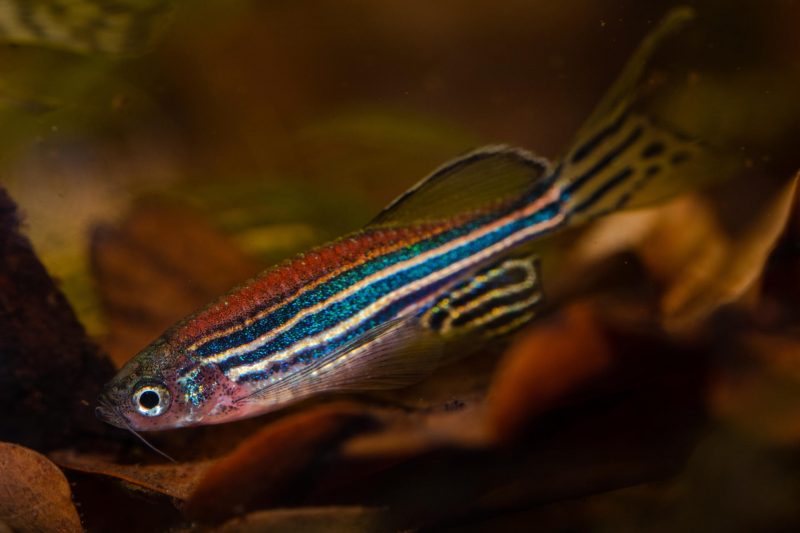
A team from the University of Washington found that after spinal cord injury in zebrafish, a type of cell resembling fetal human astrocytes plays a key role in repair. Experiments showed that, when properly regulated by specific molecules, human astrocytes can adopt similar regenerative behavior. In mouse models, these modified cells also formed a stronger protective barrier around damaged tissue.
At the University of Southern California, scientists focused on the tail regeneration mechanism of the green anole lizard. While humans and lizards share many genes, only the lizard's muscle stem cells can rebuild tissue from scratch. This discovery opens new possibilities for treating muscle degeneration and age-related muscle loss.
Meanwhile, researchers at the University of Vienna studied marine bristle worms and found that juveniles can regenerate their bodies through a form of cellular reprogramming. This mechanism could offer fresh insights for human tissue regeneration strategies.
Together, these studies suggest that decoding the regenerative secrets of "super-healing" animals may one day lead to innovative treatments for spinal cord injuries, muscular diseases, and aging-related conditions.
Super-Healing Animals Inspire New Paths in Human Regenerative Medicine
Tags
A study published in Nature has uncovered a new mechanism for how the brain stores emotional memories—one that centers not on neurons, but on astrocytes, the star-shaped glial cells once…
A new study published in Nature Cancer has revealed that cancer cells can actively export mitochondria to nearby healthy cells, offering fresh insights into how the tumor microenvironment develops. While earlier…
Scientists have identified a previously unknown type of immune cell in mouse fat tissue that appears to play a central role in chronic inflammation associated with aging. Unlike other immune…

A new study from Edith Cowan University (ECU), Australia, reveals that even a single session of resistance training or high-intensity interval training (HIIT) may help suppress cancer cell growth. Researchers…

Scientists have developed an artificial intelligence-powered “GPS” navigation system to help immune cells precisely locate and attack cancer cells. This system uses custom-designed miniature proteins to guide the immune response…
A new study has found that two soil-dwelling nematode species—Caenorhabditis elegans and Caenorhabditis briggsae—despite diverging from a common ancestor over 20 million years ago, still exhibit remarkably similar patterns of…