The Minister of Industry of Indonesia, Agus Gumiwang Kartasasmita, recently announced that the government will provide a subsidy of approximately 7 million Indonesian rupiahs (around $450) to Indonesian citizens who are 17 years old or above. This subsidy is intended for the one-time purchase of an electric motorcycle. Previously, the Indonesian government had announced subsidies for specific electric motorcycle buyers, and the new regulation expands the scope of this program.
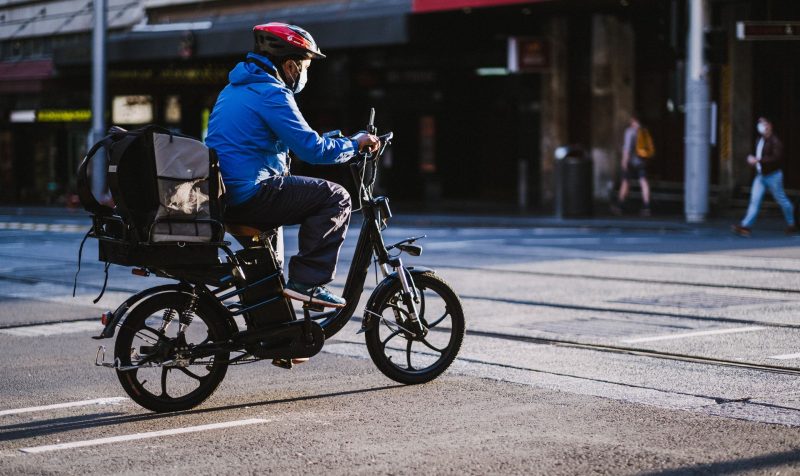
Aswir, a 25-year-old registered driver for the Indonesian ride-hailing platform Go-Jek, usually uses a motorcycle to transport passengers in Jakarta. After the implementation of the new regulation, he promptly switched to an electric motorcycle. He stated, "The policy offers significant incentives. It not only saves costs but also focuses on environmental protection, benefiting both the riders and the environment. Previously, I used to spend over 100,000 Indonesian rupiahs on fuel every few days, but now the expenses have been significantly reduced. Passengers also prefer electric motorcycles because they are quieter and emit no exhaust fumes."
In major Southeast Asian cities such as Bangkok and Jakarta, motorcycles are a primary mode of transportation for many people. They fulfill various functions, including food delivery, passenger transportation, and courier services. According to relevant data, the motorcycle market in the ten ASEAN countries reached a scale of 10.6 million units in 2022, ranking third globally. In the first six months of this year, motorcycle sales in Southeast Asia reached 7.5 million units, making it one of the fastest-growing regions worldwide. However, the overall electrification rate of motorcycles in Southeast Asia remains low. As of 2022, electric motorcycles accounted for less than 1% of the market share in the region. With the major trend of promoting the transformation to electric vehicles in regional countries, policy measures to popularize electric motorcycles have been successively implemented, and local companies are taking active actions to seize the electric motorcycle market.
In August 2022, the Thai government approved a budget of 2.923 billion Thai baht (equivalent to $1, with an exchange rate of approximately 36 Thai baht per US dollar) to support the development of the electric vehicle and electric motorcycle industries. Thailand has introduced supporting preferential policies for high-performance electric motorcycles with speeds exceeding 80 kilometers per hour. Electric motorcycles with a retail price not exceeding 150,000 Thai baht can receive a subsidy of 18,000 Thai baht per vehicle. The policy was officially implemented last year and will continue until 2025. Recently, Thailand has launched a new plan to gradually introduce tens of thousands of electric motorcycles, aiming to increase the proportion of electric motorcycles and electric cars in their ride-hailing and delivery vehicle fleets to 10% by 2026.
 Image Credit: Lazada
Southeast Asian e-commerce platform Lazada will cooperate with a startup company in Indonesia to introduce 15,000 electric motorcycles for express delivery services. Go-Jek, with over 2 million registered drivers, plans to replace all motorcycles with electric models by 2030, providing support to achieve the Indonesian government's target of popularizing 9 million electric motorcycles by 2030. Singaporean ride-hailing and food delivery platform Grab is introducing electric motorcycles from various markets. Recently, the platform announced a collaboration with a subsidiary of Malaysia's Yinson Holdings Berhad to provide electric motorcycles for approximately 80,000 local riders.
Currently, the widespread adoption and promotion of electric motorcycles in Southeast Asia face challenges such as insufficient charging infrastructure, limited battery range, and unstable power supply. In order to overcome these obstacles, governments and companies in Southeast Asian countries are actively taking measures to build a more mature electric motorcycle ecosystem. Previously, Indonesia introduced its first electric motorcycle battery swapping station to reduce operating costs.
Southeast Asian Countries Promote the Adoption of Electric Motorcycles
Tags
Researchers at Carnegie Mellon University have developed “Zippy”, the world's smallest self-powered bipedal robot. Standing just 1.5 inches tall, Zippy can walk at over 0.5 miles per hour and is…

The University of Hong Kong (HKU) has surpassed Peking University (PKU) in the latest QS World University Rankings, becoming the highest-ranked Chinese institution and marking a significant achievement for the…

Over 80 exhibitors are showcasing more than 1,000 products — including Japanese sake, plum wine, and beer — at the ongoing Japan Sake Month, the largest Japanese sake trade fair…
China will expand its visa waiver policy to include six additional countries starting June 1, aiming to further stimulate inbound tourism. Under a reciprocal agreement with Uzbekistan, citizens of both countries…
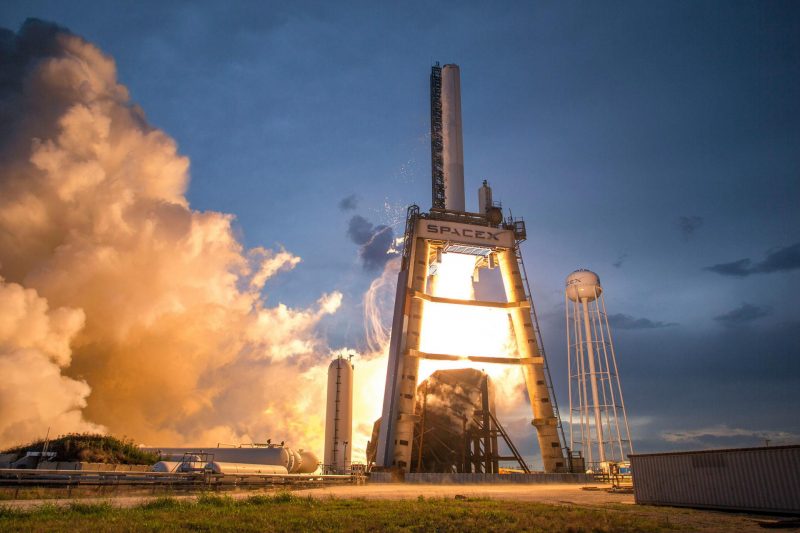
SpaceX Cleared to Boost Starship Launch Frequency in Texas, Expands Nationwide Launch Ambitions
SpaceX has received regulatory approval to significantly increase the launch frequency of its Starship rocket from its Texas launch site, marking a key milestone in the company's strategy to scale…
China has expressed strong opposition to the United States' announcement of imposing so-called "reciprocal tariffs" on its trading partners, vowing to take resolute countermeasures to defend its legitimate rights and…