Japan's Ministry of Economy, Trade and Industry plans to allocate a total of 30.6 billion yen (approximately US$205 million) in funding to support the development of emerging technologies required for electric aircraft.
According to reports, 17.3 billion yen will be dedicated to the development of hydrogen fuel cell systems for electric aircraft, while 1.33 billion yen will be allocated for energy-saving engine control technology and other applications.
The funding plan from Japan's Ministry of Economy, Trade and Industry is expected to be announced at an upcoming meeting.
Currently, Airbus aims to introduce the world's first hydrogen-powered commercial aircraft to the market by 2035. Other companies are also exploring the use of clean-burning hydrogen fuel cell aircraft to reduce carbon dioxide emissions in the aviation industry.
This year, Japan's Ministry of Economy, Trade and Industry initiated the search for participating companies in funding projects related to aerospace, batteries, and automobiles. The ministry aims to commence research in fiscal year 2024 and conduct prototype testing by fiscal year 2030.
Fuel cells utilize the chemical reaction between hydrogen and oxygen to generate electricity. The power output required to propel an aircraft using fuel cells is much higher compared to that of a car.
The US and Europe have already begun flight testing of aircraft equipped with hydrogen fuel cells.
Japan's Ministry of Economy, Trade and Industry believes that Japanese aerospace suppliers will play a significant role in the global supply chain of hydrogen-powered aircraft. Currently, Japanese suppliers provide approximately 35% of the fuselage components and about 15% of the engine components for the Boeing 787. Japan also plans to take the lead in developing international standards for aircraft fuel cell systems.
Member states of the International Civil Aviation Organization (ICAO) have set a goal to achieve zero carbon emissions from international flights by 2050. According to data from the International Energy Agency, carbon dioxide emissions from global flights in 2021 amounted to approximately 700 million tons, accounting for approximately 2% of global carbon dioxide emissions from energy production and industrial processes.
The funding provided by the Ministry of Economy, Trade and Industry for the development of hydrogen fuel cell-powered aircraft will be sourced from the Green Innovation Fund, which is overseen by the ministry's New Energy and Industrial Technology Development Organization.
Japan's Ministry of Economy Allocates Funding for Development of Hydrogen Fuel Cell Aircraft

Tags
The United States has approved the resumption of aircraft component exports to China, allowing American aerospace firms, including GE Aerospace, to once again supply key parts. Boeing has also resumed…
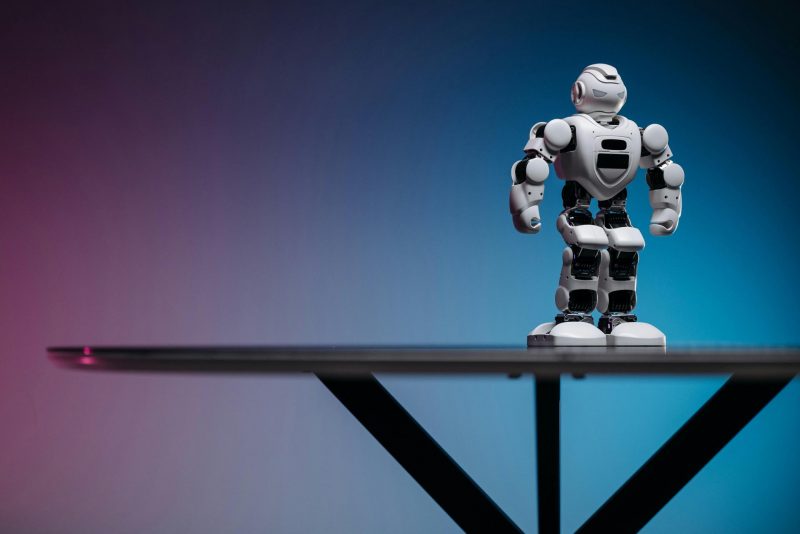
Researchers at Carnegie Mellon University have developed “Zippy”, the world's smallest self-powered bipedal robot. Standing just 1.5 inches tall, Zippy can walk at over 0.5 miles per hour and is…
The University of Hong Kong (HKU) has surpassed Peking University (PKU) in the latest QS World University Rankings, becoming the highest-ranked Chinese institution and marking a significant achievement for the…

Over 80 exhibitors are showcasing more than 1,000 products — including Japanese sake, plum wine, and beer — at the ongoing Japan Sake Month, the largest Japanese sake trade fair…
China will expand its visa waiver policy to include six additional countries starting June 1, aiming to further stimulate inbound tourism. Under a reciprocal agreement with Uzbekistan, citizens of both countries…
SpaceX Cleared to Boost Starship Launch Frequency in Texas, Expands Nationwide Launch Ambitions
SpaceX has received regulatory approval to significantly increase the launch frequency of its Starship rocket from its Texas launch site, marking a key milestone in the company's strategy to scale…