In a groundbreaking move, Intel, the US-based technology giant, has been granted approval by the Israeli Ministry of Finance, the Ministry of Economy, and the Taxation Authority to invest a record-breaking $25 billion in a new chip factory in Israel. This investment marks the largest ever made by a foreign company in Israel, showcasing the country's growing significance in the global tech industry. Under Israeli regulations that incentivize investments, Intel will receive a substantial subsidy of $3.2 billion, which accounts for 12.8% of the total investment.
The Israeli Ministry of Finance hailed this momentous occasion, emphasizing that it represents the largest single investment by any company in the country's history. This development comes at a time of intense global competition for chip investments, making it a significant vote of confidence in the Israeli economy.
The state-of-the-art chip factory will be constructed in Kiryat Gat, located south of Tel Aviv, and is expected to generate employment opportunities for thousands of individuals. Intel has committed to completing the investment and commencing factory operations by 2028, with plans to sustain its presence until at least 2035. Moreover, Intel has made an additional pledge to allocate 60 billion shekels (approximately $16.6 billion) over the next decade to Israeli suppliers, further bolstering the local tech ecosystem.
Intel Corporation has officially confirmed these exciting developments. In a statement released on Tuesday, Intel emphasized that the expansion of the Kiryat Gat factory plays a pivotal role in the company's strategic efforts to establish a resilient global supply chain.
With a presence in Israel dating back to the 1970s, Intel currently operates three research and development centers, in addition to an existing factory in the country, employing nearly 12,000 individuals. This latest investment solidifies Intel's commitment to the region and its determination to regain its technological prowess in the semiconductor industry, which has faced stiff competition from rivals such as Nvidia and TSMC.
Intel Makes $25 Billion Investment in Israel for Chip Factory Expansion

Tags
Researchers at Carnegie Mellon University have developed “Zippy”, the world's smallest self-powered bipedal robot. Standing just 1.5 inches tall, Zippy can walk at over 0.5 miles per hour and is…

The University of Hong Kong (HKU) has surpassed Peking University (PKU) in the latest QS World University Rankings, becoming the highest-ranked Chinese institution and marking a significant achievement for the…

Over 80 exhibitors are showcasing more than 1,000 products — including Japanese sake, plum wine, and beer — at the ongoing Japan Sake Month, the largest Japanese sake trade fair…

China will expand its visa waiver policy to include six additional countries starting June 1, aiming to further stimulate inbound tourism. Under a reciprocal agreement with Uzbekistan, citizens of both countries…

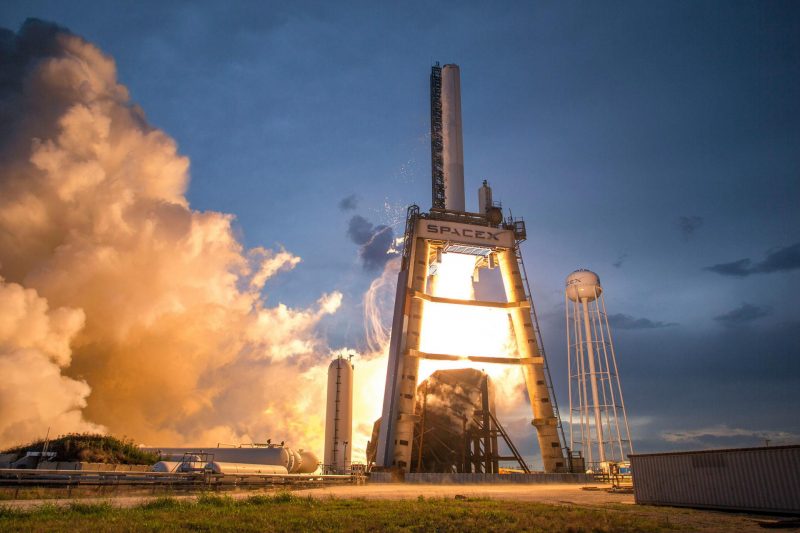
SpaceX Cleared to Boost Starship Launch Frequency in Texas, Expands Nationwide Launch Ambitions
SpaceX has received regulatory approval to significantly increase the launch frequency of its Starship rocket from its Texas launch site, marking a key milestone in the company's strategy to scale…
China has expressed strong opposition to the United States' announcement of imposing so-called "reciprocal tariffs" on its trading partners, vowing to take resolute countermeasures to defend its legitimate rights and…