Summer is here, and cold drinks are one of the children’s favorite snacks. A cold drink can bring them great satisfaction. Many parents are very conflicted about whether or not to let their children have cold drinks.
The answer is YES, but avoid drinking too much, too quickly or too vigorously.
The gastrointestinal function of children is not fully developed, and their gastrointestinal mucosa is delicate and sensitive to cold stimulation. Therefore, consuming excessive amounts of cold drinks may lead to gastric mucosal vasoconstriction, reduced gastric juice secretion, and hinder the absorption of nutrients in the body.
While children can enjoy cold drinks, it's important for them to exercise caution. They should avoid consuming excessive amounts in one sitting and refrain from consuming them too quickly or forcefully. A sudden intake of too many cold drinks can cause a rapid drop in the temperature of the gastrointestinal tract, slowing down local blood circulation and reducing blood flow. This, in turn, affects the absorption of nutrients from food. It also leads to a decrease in the secretion of gastric acid, pepsin, lipase, and small intestinal amylase, thus impacting the digestion of food. Over time, this may result in gastrointestinal dysfunction, abdominal pain, diarrhea, and nutritional deficiencies in children.
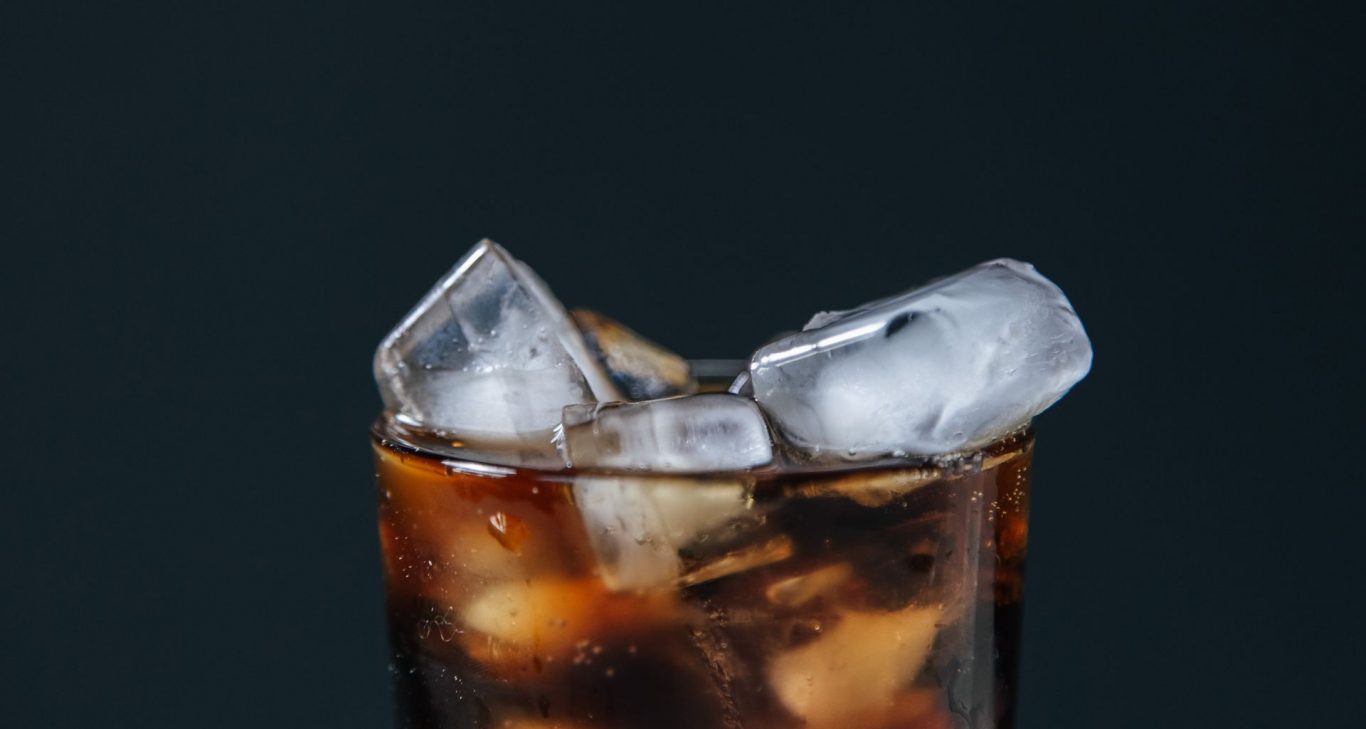 Image Credit: Ron Lach
Cold drinks generally have a high sugar content. Consuming an excessive amount of cold drinks can deplete the body's vitamin B reserves. Insufficient vitamin B levels can cause a reduction in saliva and digestive juice secretion, leading to loss of appetite in children. Moreover, excessive consumption of cold drinks can irritate the oral mucosa, triggering severe pain by stimulating the facial trigeminal nerve.
Alternating between hot and cold beverages not only damages the tooth enamel but can also disrupt gastrointestinal function. After vigorous exercise, when the body temperature is high and blood vessels are dilated, the strong cold stimulation from immediate consumption of cold drinks can induce symptoms of irritable bowel syndrome, such as gastrointestinal cramps, abdominal pain, and diarrhea. Consequently, it is advisable to wait at least 30 minutes between consuming hot and cold beverages.
However, not all children are suitable for consuming cold drinks. Children who are obese, have poor gastrointestinal function leading to abdominal pain, diarrhea, and indigestion, or have allergies, particularly bronchial asthma and allergic pharyngitis, are not recommended to consume cold drinks. Additionally, infants have weaker immune systems, and the additives like flavors, pigments, and preservatives in cold drinks can be extremely harmful to their fragile digestive and respiratory systems. Hence, cold drinks should not be given to infants.
Before children consume cold drinks, attention should be given to the product's shelf life and the child's hand hygiene. Repeatedly frozen cold drinks should be avoided as they can promote the growth of bacteria and cause acute gastroenteritis, which poses a risk to children's health.
Considerations and Potential Risks of Cold Drinks for Children: Understanding the Impact on Gastrointestinal Function
Tags
Globally, boys tend to outperform girls in math tests and are more likely to pursue math-related careers. However, this disparity does not stem from innate abilities at birth. A large-scale…

Researchers have discovered that promoting the health of the gut microbiome is nearly as crucial as supplementing missing calories and vitamins to counteract the detrimental effects of childhood malnutrition. Over…
A recent study, published in the journal Nature Climate Change, sheds light on the long-term effects of extreme cold or heat exposure during early life on the microstructure of the…

Debbie Ravenscroft, a senior lecturer in early childhood studies at the University of Chester in the UK, challenges the common belief that children are like sponges and learn skills faster…

A recent study published in The Lancet reveals a concerning global trend - over 1 billion people worldwide are now classified as obese, accounting for approximately one-eighth of the global…

TikTok Fined 3.45 Billion Euros for Violating EU Privacy Law on Children's Data Handling
The European regulators announced that TikTok, the popular video-sharing app, has been fined 3.45 billion euros (approximately 4.06 billion USD) for violating the EU privacy law on how to handle…