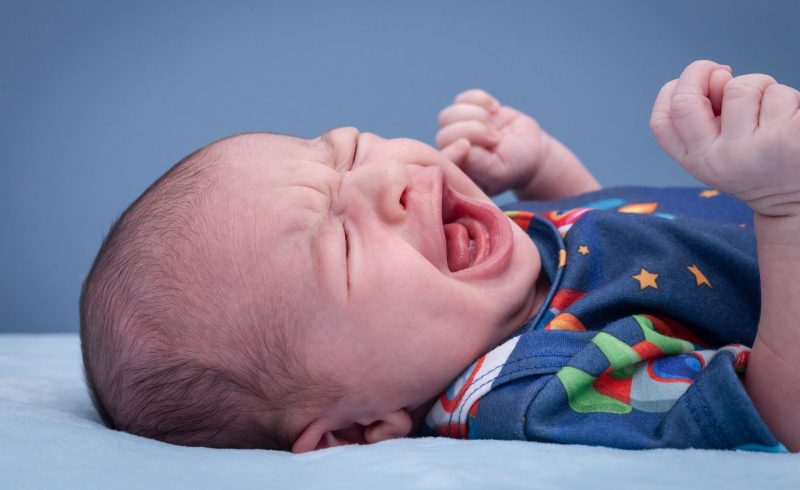
Breath-holding spells, known as "breath-holding syndrome" or "respiratory pause syndrome" in medical terms, are commonly observed non-epileptic events in healthy children. Specifically, this condition refers to a phenomenon where children experience intense crying following fear, pain, emotional upset, or severe anger, which is then followed by a sudden pause in breathing. It is often accompanied by cyanosis or pallor of the lips, stiffness of the body, loss of consciousness, and sometimes convulsive movements, after which the child resumes crying.
The occurrence rate of breath-holding spells ranges from 0.1% to 4.6% among the population, with the majority of cases happening in infants and toddlers between 6 and 18 months of age. As children's language expression abilities improve and the occurrence of intense crying decreases after the age of 3 to 4, breath-holding spells naturally resolve, and they become less common after the age of 6. Although it is considered a benign condition, breath-holding spells can recur, and in severe cases, they can lead to loss of consciousness, cardiac arrest, or even seizures, causing distress to parents and affecting the quality of life for both the child and the family.
In general, the diagnosis of breath-holding spells can be made based on typical clinical presentations. However, it is important to differentiate breath-holding spells from epilepsy: breath-holding spells are often preceded by obvious triggers such as emotional excitement or intense crying, and they begin with a sudden breath-holding episode, followed by cyanosis, loss of consciousness, and convulsions. Often, arching of the back accompanies the spells, and the electroencephalogram (EEG) shows no abnormal discharges during the breath-holding episode. On the other hand, children with epilepsy typically experience seizures followed by cyanosis, and their EEG shows distinct changes. In the case mentioned in the article, the mother took her child to the hospital immediately after the first breath-holding spell, and epilepsy was ruled out.
Currently, the exact causes of breath-holding spells are not fully understood. Some researchers believe that this behavior is a way for non-verbal children to vent their anger, and babies with difficult temperaments are more prone to experiencing breath-holding spells. These babies may have difficulties with feeding in the early stages, exhibit negative temperaments, such as being irritable, stubborn, and prone to tantrums, show minimal response to adult comforting, and have allergic symptoms such as skin allergies, medication allergies, or food allergies. Anemia may also increase the frequency of breath-holding spells, which can be reduced with iron therapy. Additionally, 20% to 35% of patients have a family history of breath-holding spells, suggesting a certain genetic predisposition.
 Image Credit: debowscyfoto
So, what should we do when a child experiences a breath-holding spell?
In addition to gently stroking the child's back to provide comfort, it is important to ensure that the child does not injure themselves during the spell. Placing the child in a lateral position is recommended, and if there are food residues or secretions in the child's mouth, they should be cleaned to avoid accidental inhalation into the airway.
For parents of children who experience breath-holding spells, the following suggestions can be considered:
1. Parents should understand that this phenomenon is generally harmless and avoid becoming overly anxious or stressed. Giving excessive attention to the child can actually exacerbate breath-holding spells as the child may use them as a means to seek attention or achieve certain goals.
2. Parents should neither spoil nor be excessively harsh with the child but instead provide patient guidance and education. If the child makes unreasonable demands, a diversion or attention-shifting approach can be used to help the child accept the situation more happily.
3. Carefully observe the triggers for each episode and try to avoid their recurrence as much as possible.
4. Seek medical attention promptly for children who experience frequent and severe episodes or present with pallor. A healthcare professional can evaluate the possibility of using medication to alleviate the symptoms.
5. Administer iron supplements to children with accompanying anemia, as this can help alleviate the symptoms to some extent.
Tags
Globally, boys tend to outperform girls in math tests and are more likely to pursue math-related careers. However, this disparity does not stem from innate abilities at birth. A large-scale…

Researchers have discovered that promoting the health of the gut microbiome is nearly as crucial as supplementing missing calories and vitamins to counteract the detrimental effects of childhood malnutrition. Over…

A recent study, published in the journal Nature Climate Change, sheds light on the long-term effects of extreme cold or heat exposure during early life on the microstructure of the…

Debbie Ravenscroft, a senior lecturer in early childhood studies at the University of Chester in the UK, challenges the common belief that children are like sponges and learn skills faster…
A recent study published in The Lancet reveals a concerning global trend - over 1 billion people worldwide are now classified as obese, accounting for approximately one-eighth of the global…

TikTok Fined 3.45 Billion Euros for Violating EU Privacy Law on Children's Data Handling
The European regulators announced that TikTok, the popular video-sharing app, has been fined 3.45 billion euros (approximately 4.06 billion USD) for violating the EU privacy law on how to handle…