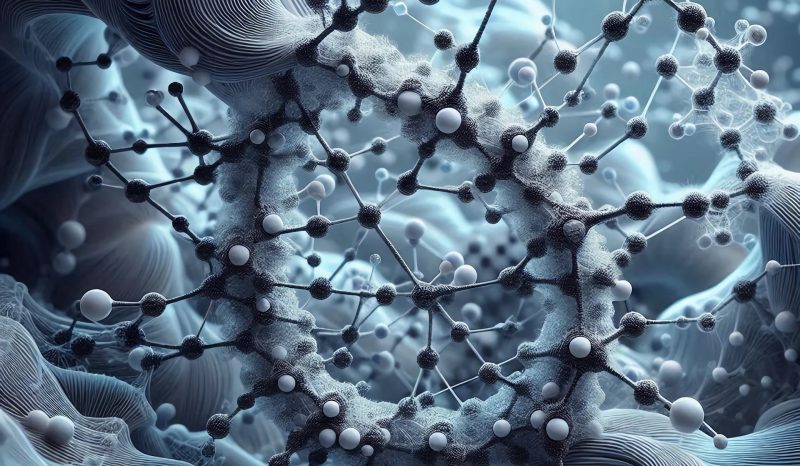
Researchers from the University of California, San Diego have recently made significant progress in lead detection technology. Their findings, published in "Nano Express," showcase the development of an ultra-sensitive sensor made of graphene that can detect extremely low concentrations of lead ions in water. This breakthrough in sensitivity, which is a million times greater than traditional methods, allows the sensor to achieve a record detection limit at the femtomolar level.
Lead exposure has long been a significant concern for human health, as even minute concentrations of lead in drinking water, such as 1 ppb (one part per billion), can lead to detrimental effects like stunted growth and development. Consequently, enhancing lead detection sensitivity has become a pressing matter.
Existing high-accuracy and sensitivity techniques for lead detection often rely on expensive instruments, limiting their widespread use. While home kits are more accessible, they often suffer from unreliability and poor detection limits.
Graphene, with its exceptional electrical conductivity and large specific surface area, presents an ideal platform for sensing applications. In this study, the researchers constructed a device comprising a single layer of graphene mounted on a silicon wafer.
To enhance the sensor's capabilities, the researchers attached linker molecules to the graphene surface, serving as anchors for ion receptors and facilitating the capture of lead ions. The key feature of their work lies in making the sensor highly specific to lead ion detection.
The team employed a nucleic acid aptamer, a short single-stranded DNA or RNA, as an ion receptor due to its specific selectivity for particular ions. By fine-tuning the DNA or RNA sequence, the receptor's binding affinity to lead ions was further enhanced, ensuring that the sensor is triggered only in the presence of lead ions.
Through meticulous examination of the reaction process at the molecular scale on the graphene sensor's surface, the researchers achieved the femtomolar detection limit. Combining experimental and theoretical studies, they monitored the progressive adhesion of the linker to the graphene surface, the binding of the receptor to the linker, and finally, the attachment of lead ions to the receptor.
By analyzing crucial thermodynamic parameters such as binding energy, capacitance changes, and molecular conformation within the system, scientists discovered the pivotal role these parameters play in optimizing the sensor's performance. By optimizing these thermodynamic parameters and the overall system design, the researchers successfully developed a sensor capable of detecting lead ions with unprecedented sensitivity and specificity.
Prabhakar R. Bandaru, the corresponding author of the paper and a professor at the University of California, expressed his hope that one day, the sensor will be capable of detecting even a single lead ion in water.
Breakthrough Graphene Sensor Detects Lead Ions with Unprecedented Sensitivity
Published on Feb 24, 2024
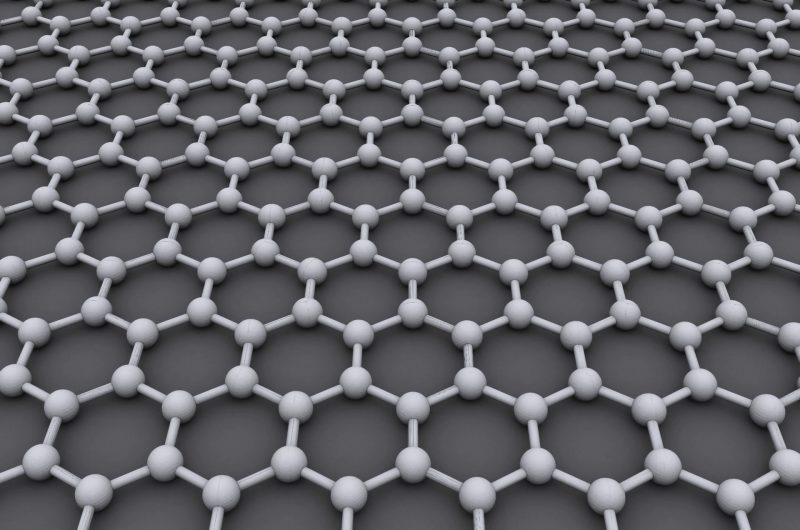
Image Credit: Wikipedia/Graphene
Tags
For the first time, scientists have developed a micro-laser made entirely from edible materials—a breakthrough that could lead to ingestible sensors capable of monitoring the properties of food and pharmaceuticals.…
Silk has a history spanning thousands of years. Now, it is poised to spearhead a new direction in the realm of microelectronics and computing. While silk proteins have been utilized in…