AMD has announced updates to its FreeSync certification requirements, which will result in a significant reduction in the number of 1080P and 1440P monitors that support FreeSync.
FreeSync was introduced by AMD in 2015 as a competitor to NVIDIA G-Sync and VESA VRR. It addresses issues like screen tearing and stuttering by synchronizing the display refresh rate with the GPU, delivering an enhanced gaming experience. Over the years, FreeSync has grown into the largest gaming display ecosystem in the market, with over 4,000 certified monitors across various devices and platforms, including TVs, monitors, laptops, and game consoles, supporting DisplayPort, HDMI, and USB connectors.
As display technology continues to advance, FreeSync has also evolved. In 2017, AMD introduced FreeSync Premium Pro, which incorporated HDR features to ensure superior brightness and color accuracy on certified displays. The industry has witnessed a notable increase in refresh rates in recent years, with most gaming monitors now offering at least 144Hz. To stay up-to-date with the latest gaming standards and technology, AMD has decided to update the technical requirements for FreeSync. The maximum refresh rates required for AMD FreeSync certification for monitors and TVs have been increased to align with current best-in-class standards, and HDR requirements have been aligned with ecosystem specifications. However, the requirements for laptops remain unchanged, indicating a focus on desktop gaming setups.
AMD Updates FreeSync Certification Requirements to Reflect Latest Gaming Standards and Technology

Tags
Researchers at Carnegie Mellon University have developed “Zippy”, the world's smallest self-powered bipedal robot. Standing just 1.5 inches tall, Zippy can walk at over 0.5 miles per hour and is…

The University of Hong Kong (HKU) has surpassed Peking University (PKU) in the latest QS World University Rankings, becoming the highest-ranked Chinese institution and marking a significant achievement for the…

Over 80 exhibitors are showcasing more than 1,000 products — including Japanese sake, plum wine, and beer — at the ongoing Japan Sake Month, the largest Japanese sake trade fair…

China will expand its visa waiver policy to include six additional countries starting June 1, aiming to further stimulate inbound tourism. Under a reciprocal agreement with Uzbekistan, citizens of both countries…
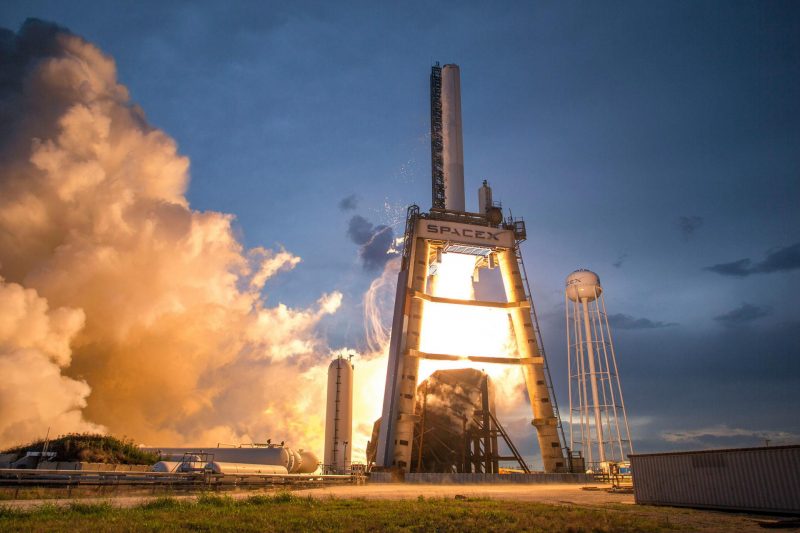
SpaceX Cleared to Boost Starship Launch Frequency in Texas, Expands Nationwide Launch Ambitions
SpaceX has received regulatory approval to significantly increase the launch frequency of its Starship rocket from its Texas launch site, marking a key milestone in the company's strategy to scale…
China has expressed strong opposition to the United States' announcement of imposing so-called "reciprocal tariffs" on its trading partners, vowing to take resolute countermeasures to defend its legitimate rights and…